Thinking about a move to Arvada? You are not alone. For many buyers and relocators, Arvada stands out because it offers a lived-in, established feel with easy access to Denver, the foothills, and a long list of everyday amenities. If you want a clearer picture of what daily life here actually feels like, this guide will walk you through the community vibe, outdoor access, Olde Town energy, housing mix, and commuting convenience. Let’s dive in.
Arvada at a Glance
Arvada is a west-metro city in Jefferson County with an estimated population of 121,873. It has a broad age mix, with 19.6% of residents under 18 and 17.4% age 65 or older, which points to a community that includes both newer households and long-term residents.
The housing profile also tells an important story. About 75.3% of homes are owner-occupied, which gives Arvada a more settled, residential feel than some nearby cities. The median owner-occupied home value is $632,600, and the median gross rent is $1,888.
What Arvada Feels Like Day to Day
Arvada often feels more established than many newer Front Range suburbs. Its roots go back to early gold discovery and the Colorado Central Railroad, and that history still shapes the city’s identity today.
You can feel that especially in and around Olde Town. The historic core, listed on the National Register of Historic Places, gives Arvada a sense of place that many suburban areas simply do not have. Instead of feeling generic, it feels connected to its past while still serving modern daily life.
Arvada also benefits from its location between Denver and Boulder, just off I-70. That gives you access to city amenities, nearby job centers, and mountain travel without living in the middle of a more intense urban environment.
Outdoor Living Is a Big Draw
If you want a place where getting outside is part of your routine, Arvada has a lot to offer. The city has more than 150 miles of hiking, biking, and horseback trails, which makes outdoor access one of its defining features.
Some of the better-known routes include Ralston Creek Trail at 12.5 miles, Little Dry Creek Trail at 6 miles, and Van Bibber Creek Trail at 2.5 miles. The city trail system also includes corridors like Clear Creek, Leyden Creek, Union Street, Interurban, Blunn, and Independence.
That kind of network matters because it gives you options. You can fit in a quick weekday walk, a longer weekend ride, or just enjoy having open-air space woven into daily life.
Parks and Recreation Across the City
Arvada’s parks are not limited to one area. The city has more than 100 parks and over 70 playgrounds, which helps spread recreation across different parts of town.
Notable destinations include Majestic View Nature Center, Two Ponds National Wildlife Refuge, Arvada Blunn Reservoir, Ralston Central Park, McIlvoy Park, West Arvada Dog Park, Bird’s Nest Disc Golf Course, and Olde Town Square. That variety means you can find everything from open space and nature-focused spots to play areas and community gathering places.
For indoor recreation, the Apex Center is another major draw. It includes an indoor water park, two ice rinks, and three gymnasiums, giving residents year-round activity options.
Olde Town Gives Arvada a True Downtown
One of Arvada’s strongest lifestyle advantages is that it has a downtown people actually use. Olde Town Arvada combines historic character with shops, boutiques, galleries, restaurants, breweries, a winery, and regular events.
That matters because a true downtown changes how a city feels. It gives you a place to meet friends, run errands, grab dinner, or spend part of a weekend without needing to drive all over the metro.
The food and drink scene is varied and local-leaning. Olde Town’s directory includes places such as 303 Ramen, Arvada Tavern, Denver Beer Company, Flights Wine Cafe, Homegrown Tap & Dough, Lady Nomada, Lloyd’s Tasty Sandwiches, Method & Muse Spirits, New Image Brewing Company, Rheinlander Bakery, and School House Kitchen & Libations.
Community Events Add Energy
Arvada is not just about static amenities. It also has a steady community calendar that helps keep the city active and connected.
Recent and recurring events in Olde Town have included Yoga in the Park at McIlvoy Park, Second Saturdays summer concerts and street festivals, the Annual St. Patrick’s Day Festival, and Winterfest. Visit Arvada also notes farmers markets, movies in the park, and seasonal festivals across the city.
For many buyers, this kind of programming is a major plus. It gives you easy ways to plug into the community and enjoy the city beyond your own block.
Arts and Culture Are Part of the Mix
Arvada also offers more cultural depth than some buyers expect from a suburban market. The Arvada Center adds another layer with live theatre, free galleries, and an outdoor amphitheatre.
That gives residents more than just parks and restaurants. If you value having arts and performance options nearby, Arvada delivers a wider mix of experiences than a typical bedroom community.
Free parking at the Arvada Center is also a practical bonus. It makes casual visits easier, whether you are seeing a show or stopping in for a gallery visit.
Commuting From Arvada
For many people, Arvada’s location is one of the biggest reasons to consider it. The city sits about nine miles from Denver and just off the I-70 corridor, with relatively easy access to Golden, Boulder, and the mountains.
That creates flexibility. Depending on your routine, Arvada can work well for commuting into Denver, getting around the west metro, or heading west for recreation.
Transit is part of that picture too. Olde Town Arvada Station serves the G Line and five bus routes, and the 11.2-mile electric commuter rail line runs from Union Station to Wheat Ridge with a stop in Olde Town Arvada.
The station area includes a 650-space parking garage, bus facility, and city festival space. For buyers who value multimodal access, that is a meaningful part of the city’s appeal.
The Housing Mix in Arvada
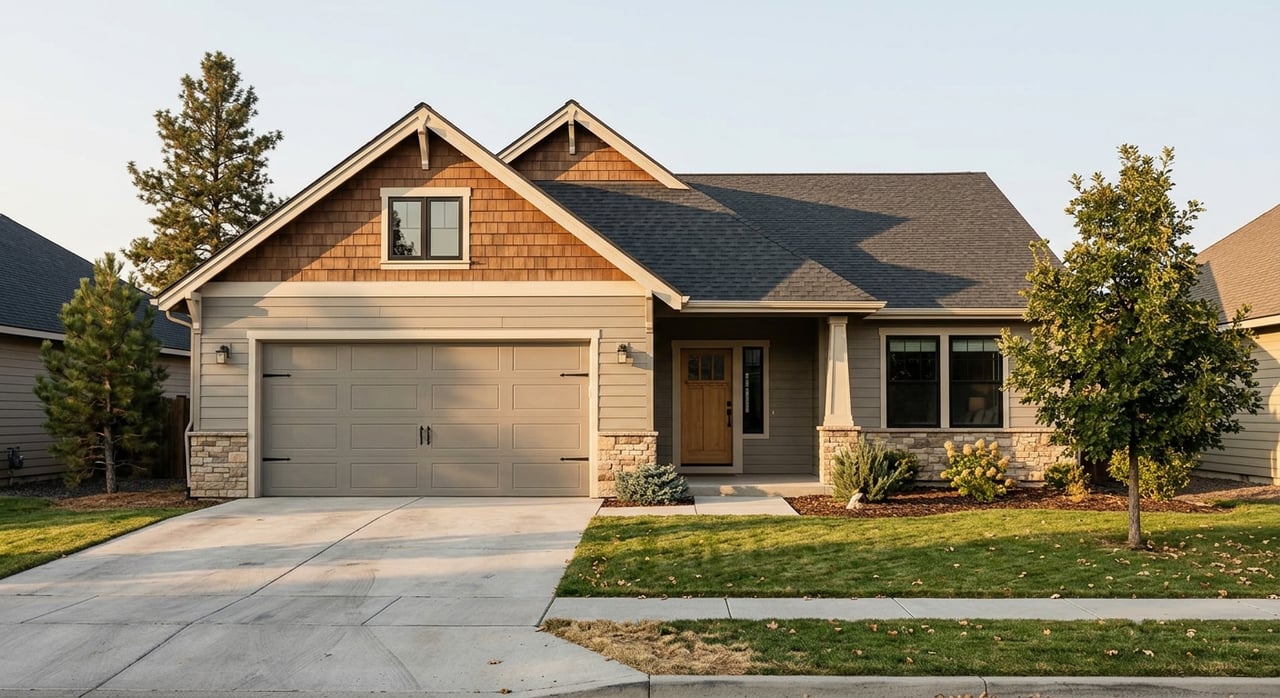
Arvada is not one-note when it comes to housing. The city’s high owner-occupied share suggests a strong base of established residential neighborhoods, but there is also newer infill near transit, including multifamily development around Olde Town.
In practical terms, that means you can find a blend of living options. Depending on the area, that may include homes in established neighborhoods, housing near the historic core, and newer choices closer to transit and mixed-use activity.
This layered housing pattern is one reason Arvada appeals to a wide range of buyers. It does not feel uniform, and that can be helpful if you are trying to match your home search to a specific lifestyle.
How Arvada Compares Nearby
If you are weighing Arvada against nearby west-metro cities, the numbers place it in the middle of the price spectrum. Arvada’s median owner-occupied value of $632,600 is above Wheat Ridge’s $623,000 and below Golden’s $837,700.
Its owner-occupied share is also notably higher than Wheat Ridge’s 54.4% and Golden’s 56.8%. That points to a more settled residential profile overall.
For buyers, that can translate into a city that balances access, amenities, and neighborhood stability. It may not be the least expensive option, but many people see value in the combination of outdoor infrastructure, a functional downtown, and regional convenience.
Who Arvada May Appeal To
Arvada tends to draw people who want more than just a place to sleep between commutes. It can be a strong fit if you want trail access, parks, local dining, community events, and a downtown that adds real day-to-day usability.
It may also appeal to buyers who want a west-metro location with easier access to both Denver and the foothills. If mountain trips, regional mobility, and an established neighborhood feel matter to you, Arvada checks a lot of boxes.
At the same time, your best fit within Arvada will depend on how you live. Some buyers prioritize walkability near Olde Town, while others focus on park access, trail connections, or a quieter residential setting.
Final Thoughts on Living in Arvada
Living in Arvada often means getting a little more balance. You have historic character, broad outdoor access, a real downtown, and convenient connections to Denver and the mountains, all within a city that feels established and actively used.
That combination is a big part of why Arvada continues to attract attention from local movers and relocators alike. It offers everyday practicality, but it also has personality.
If you are considering a move and want help narrowing down where in Arvada might fit your goals, Trish Kelly offers neighborhood-focused guidance, boutique service, and local insight to help you move with confidence.
FAQs
What is Arvada, Colorado known for?
- Arvada is known for its historic Olde Town district, more than 150 miles of trails, over 100 parks, and convenient access to Denver, I-70, and the foothills.
Is Olde Town Arvada a real downtown area?
- Yes. Olde Town Arvada serves as the city’s downtown core and includes historic buildings, shops, galleries, restaurants, breweries, a winery, and community events.
What outdoor amenities does Arvada offer residents?
- Arvada offers 150+ miles of hiking, biking, and horseback trails, more than 100 parks, over 70 playgrounds, nature-focused destinations, a dog park, disc golf, and the Apex Center for indoor recreation.
How do you commute from Arvada to Denver?
- Arvada is about nine miles from Denver, sits just off I-70, and offers transit through Olde Town Arvada Station, which serves the G Line and five bus routes.
What is the housing market like in Arvada, Colorado?
- Arvada has a largely owner-occupied housing profile, with 75.3% owner occupancy and a median owner-occupied value of $632,600, plus a mix of established neighborhoods and newer housing near transit.
How does Arvada compare with Wheat Ridge and Golden?
- Arvada’s median owner-occupied value is higher than Wheat Ridge’s and lower than Golden’s, while its owner-occupied share is higher than both, suggesting a more settled residential profile.