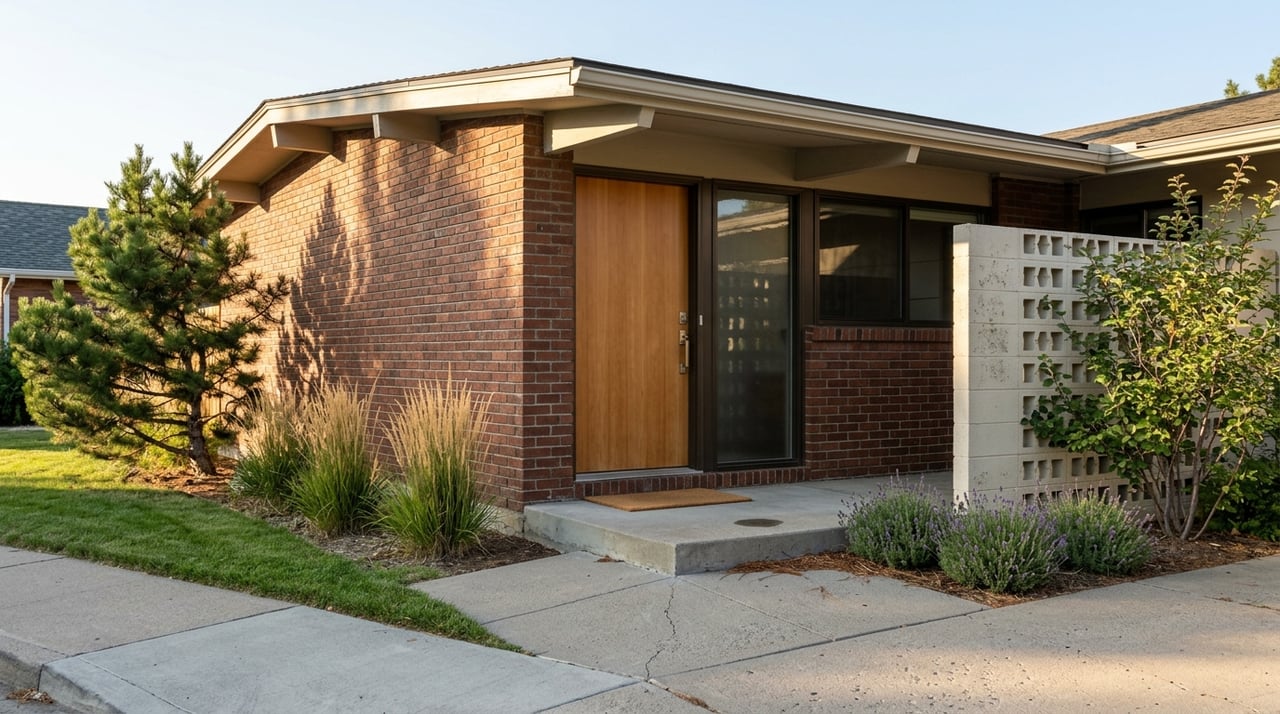
If you own a mid-century home in Wheat Ridge, you may be sitting on one of the area’s most appealing housing types without even realizing how rare it feels to today’s buyers. In a market where newer options exist but much of the city is already built out, buyers often notice the homes that offer authentic character, natural light, and a layout that feels connected to the lot. When you understand what makes your home stand out, you can make smarter prep decisions and tell a stronger story when it is time to sell. Let’s dive in.
Why mid-century homes matter in Wheat Ridge
Wheat Ridge is an especially relevant place for this conversation because so much of its housing was built in the postwar years. City planning documents show that the bulk of residential neighborhoods developed between 1930 and 1970, and nearly 80% of single-family homes were built between 1940 and 1979. That means mid-century homes are not a small side note here. They are a meaningful part of the local market.
That local context matters when you sell. Buyers are not just comparing your home to a generic house in the Denver metro. They are comparing it to other Wheat Ridge options, including remodels, newer infill, townhomes, duplexes, and apartments that have expanded housing choices in recent years.
At the same time, Wheat Ridge has little undeveloped land left, and the city reports that most residential permit activity has been remodels. From 2010 to 2020, residential additions and remodel permits topped $85 million in valuation. In practical terms, that means existing homes remain central to the market, and well-presented mid-century properties can attract serious attention.
What buyers love about mid-century design
Before you make updates, it helps to understand what buyers tend to value in this style of home. Mid-century houses often stand out because they feel different from both older traditional homes and newer construction. Their best features are easy to see and easy to feel.
Common character-defining details include:
- Open interior layouts
- Picture windows and grouped windows
- Sliding glass doors
- Strong indoor-outdoor connection
- Low-slung rooflines and massing
- Integrated garages or carports
- Simple materials like brick and wood
- Masonry chimneys
- Deep overhangs
- Asymmetrical facades
- Less hallway space and more usable living space
These features create the sense of light, proportion, and personality that buyers often remember after a showing. In Wheat Ridge, where newer housing can offer fresh finishes, your advantage may be the things new construction cannot easily recreate. Original proportions, lot presence, and a coherent architectural identity can be more compelling than a remodel that strips away the home’s era.
Lead with preservation, not over-renovation
One of the biggest mistakes sellers make with a mid-century home is trying to make it look like every other updated listing. That approach can blur the very features that give your property value and distinction. In many cases, the better strategy is to preserve the home’s identity while addressing the items that make ownership feel easier and less uncertain.
That does not mean you should avoid improvements. It means your updates should support the home rather than fight it. If you replace materials, adjust finishes, or change windows or doors, aim for choices that still feel consistent with the original design.
In Wheat Ridge, this approach makes sense for another reason. The city’s housing story includes both remodeled older homes and newer options in targeted areas. A strong listing usually benefits from a clear message: this home offers authentic style, thoughtful upkeep, and fewer question marks for the next owner.
Start with curb appeal and the entry
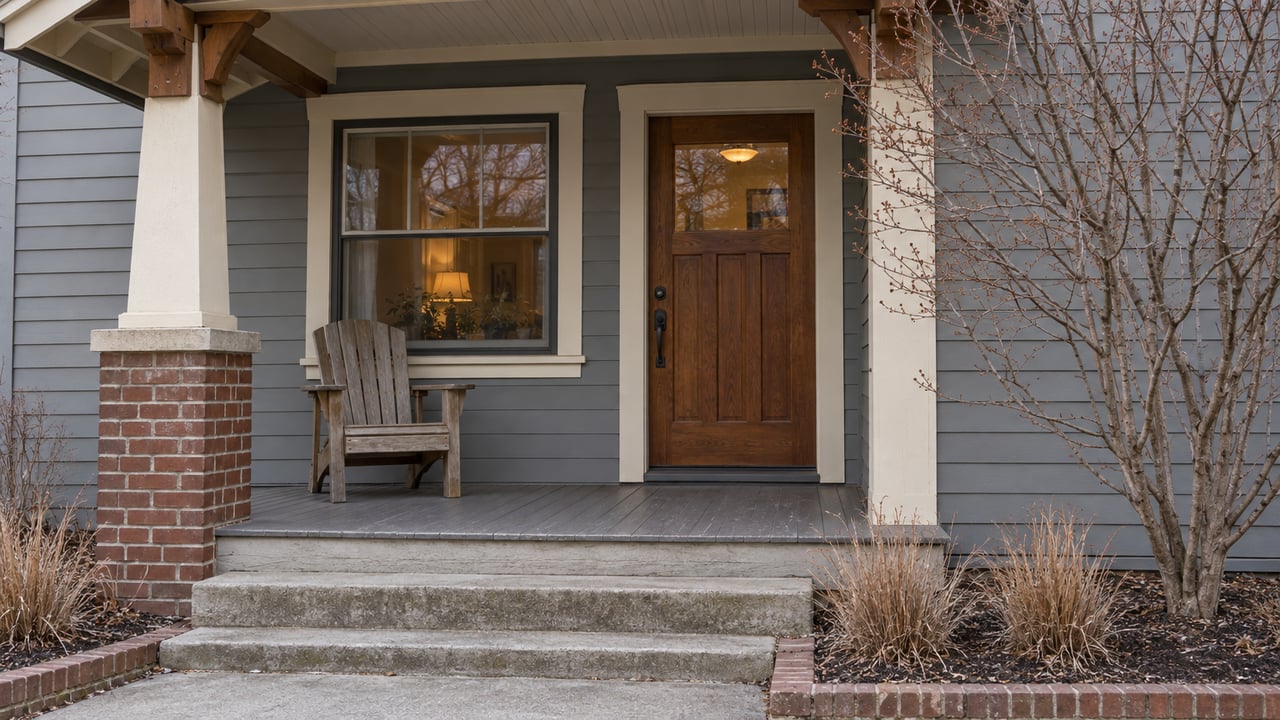
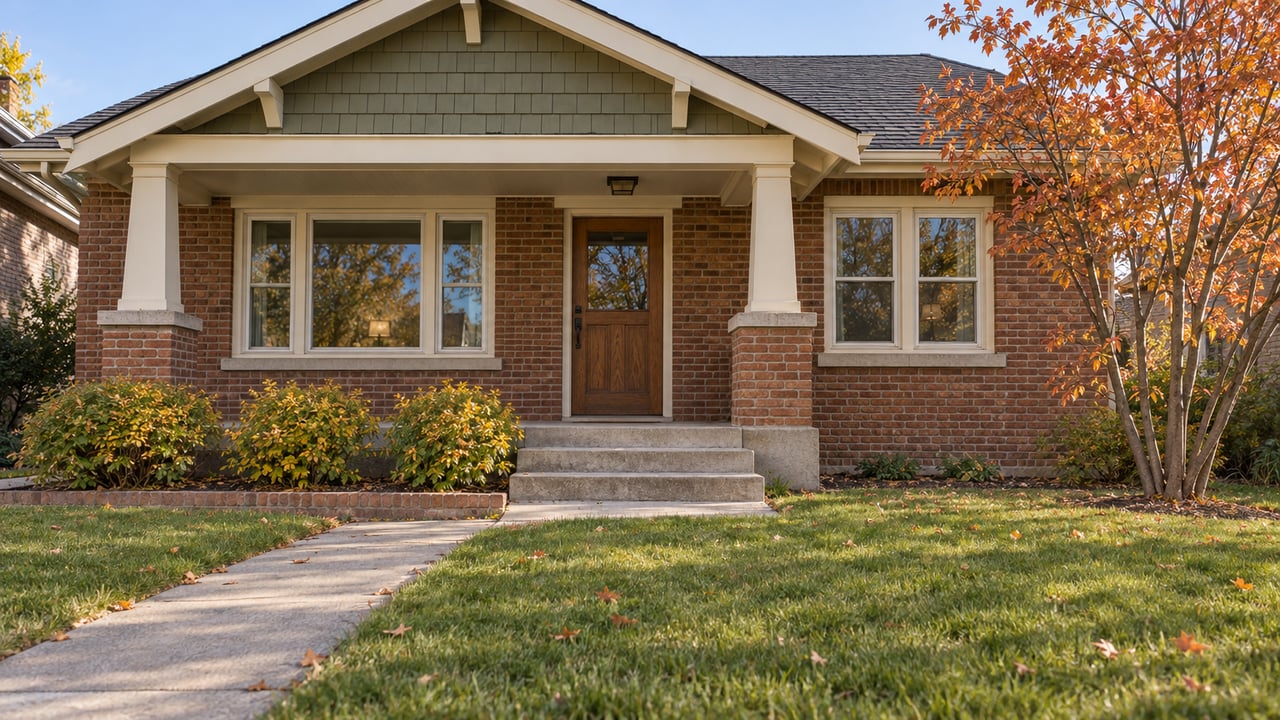
If you are deciding where to spend time and money before listing, begin outside. First impressions matter, especially for homes with low rooflines and understated facades that can either look crisp and intentional or flat and overlooked depending on presentation.
National remodeling data cited in the research shows that 92% of REALTORS® recommend improving curb appeal before listing. The same 2025 Remodeling Impact Report estimated a 100% cost recovery for a new steel front door and 80% for a fiberglass front door. That does not mean every home needs a new door, but it does show how much buyers respond to an entry that feels fresh and well maintained.
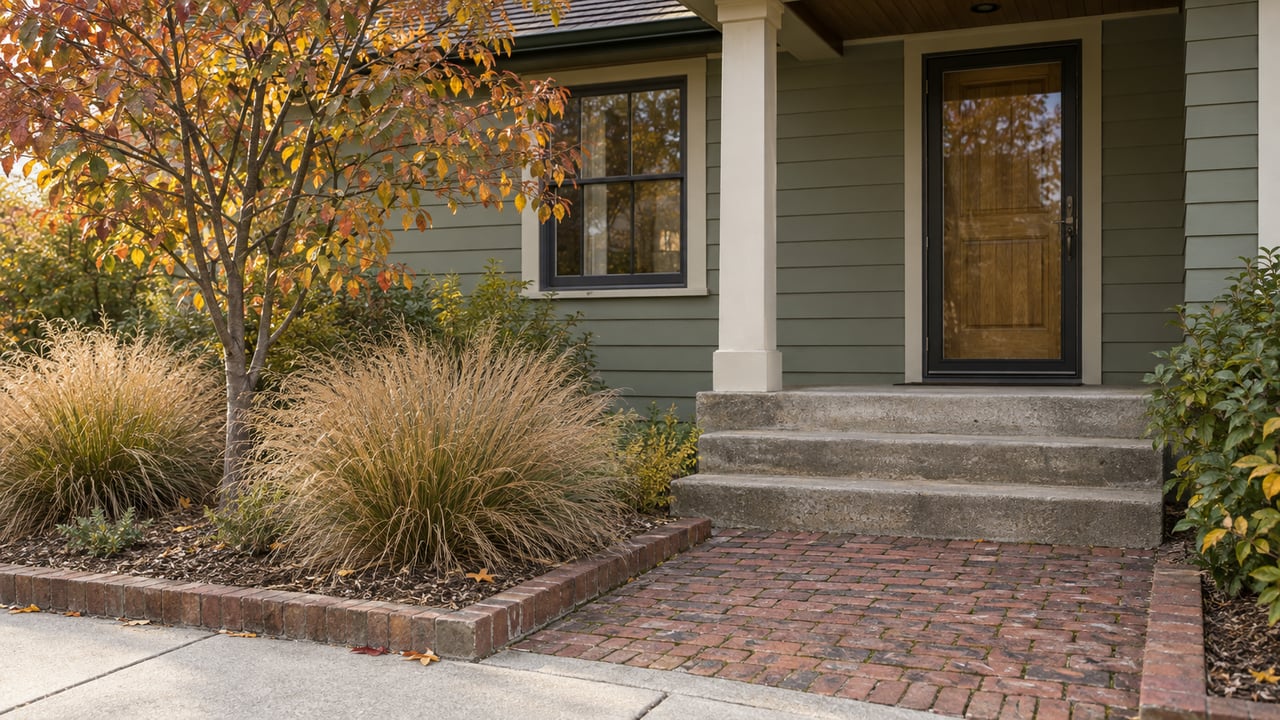
Focus on practical, visible improvements such as:
- Refreshing the front door or hardware
- Cleaning up pathways and hardscaping
- Trimming overgrown landscaping
- Defining the entry with simple plantings
- Making sure exterior lighting works
- Power washing brick, siding, or concrete where appropriate
For a mid-century home, curb appeal should feel clean, intentional, and true to the architecture. You do not need to overdecorate it. You want buyers to see the lines of the house, the windows, and the connection to the lot.
Treat windows as both character and comfort
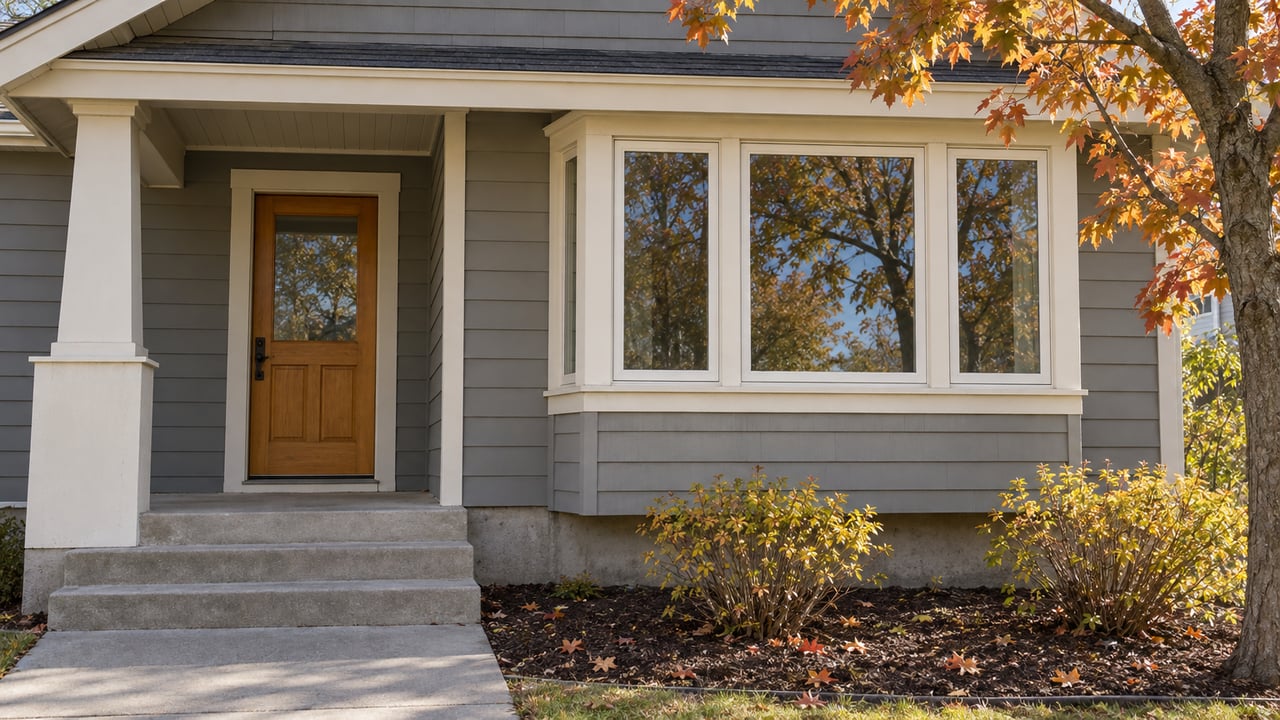
Windows are one of the most important parts of a mid-century home’s appeal. They shape the light, the street presence, and the indoor-outdoor feel. They also affect comfort and energy use, which is where sellers sometimes face a tough decision.
According to the U.S. Department of Energy, windows account for 25% to 30% of residential heating and cooling energy use. But replacement is not always the first or best answer. If original windows are in good condition, lower-cost steps like caulking, weatherstripping, storm windows, low-e film, window coverings, or exterior shading may improve performance while preserving character.
That balance can matter when you sell a mid-century property in Wheat Ridge. Buyers may appreciate the original look if the home also feels comfortable and cared for. Instead of treating windows as a cosmetic problem to erase, think about how to present them as a design asset supported by smart maintenance.
Keep presale work permit-aware
Before you tackle repairs or updates, pay close attention to local permit requirements. In Wheat Ridge, permits are required for roofing, interior remodels, HVAC and water heater replacement, electrical service changes, siding, and window alterations. The city routes permits through OpenGov, says residential plan review can take up to four weeks, and warns that unpermitted work can lead to double permit fees.
This matters if you are trying to time your listing. Last-minute projects can create delays if you need permits, inspections, or plan review. A project that seems simple at first can affect your schedule and your disclosure materials.
It also matters for buyer confidence. If you have completed major work, being able to show that it was permitted can reduce uncertainty and make your sale feel more straightforward. In a competitive but more selective market, that kind of clarity can help.
Gather records before you list
Documentation is one of the most overlooked parts of preparing a mid-century home for sale. Wheat Ridge keeps permit records going back to 1969, which means sellers can often verify past additions or remodels. If your home has had an updated kitchen, finished basement area, system replacement, roof work, or an addition, those records may help support your listing story.
Try to gather:
- Permit records for major projects
- Contractor invoices or scope of work
- Dates for roof, HVAC, water heater, or electrical updates
- Information on window or door work
- Any warranties that are still active
This kind of prep does more than answer buyer questions. It positions your home as a property that has been responsibly owned. That can be especially valuable when the house itself has vintage elements, because buyers often want reassurance that the style has been preserved thoughtfully and the systems have been maintained.
Price and market the home for today’s Wheat Ridge buyer
Your home does not sell in a vacuum. It sells in the context of current Wheat Ridge market conditions, buyer expectations, and nearby alternatives. Recent market snapshots from spring 2026 suggest Wheat Ridge remains competitive, even if it is softer than the prior year.
One market report showed an April 2026 median sale price of $611,934 and 18 median days on market, with many homes receiving multiple offers. Another spring 2026 snapshot reported a median sold price of $578,500, 145 active listings, 33 median days on market, a 100% sale-to-list ratio, and classified Wheat Ridge as a seller’s market. City data also shows the 2024 single-family median sale price exceeded $600,000, more than double the 2014 level of $285,000.
Those numbers point to an important takeaway. Buyers are still active, but presentation and positioning matter. A mid-century listing should not rely on nostalgia alone. It should clearly communicate why this home is appealing now.
Build a listing story that resonates
The strongest marketing angle for a Wheat Ridge mid-century home is often preserved charm plus low-friction ownership. Buyers may love original style, but they also want confidence in the home’s condition, upkeep, and usability.
A strong listing story often highlights:
- Architectural character that feels authentic
- Natural light and window placement
- The home’s relationship to the yard or outdoor space
- Thoughtful updates that support daily comfort
- Documented maintenance and permitted work
- A layout that still lives well today
This is where local, boutique marketing can make a difference. The goal is not just to upload photos and wait. It is to present the home in a way that helps buyers understand what makes it special within Wheat Ridge’s housing landscape.
Smart prep priorities before selling
If you want a simple checklist, focus on the improvements most likely to protect value and reduce buyer hesitation.
Prep checklist for sellers
- Clean up curb appeal and sharpen the entry experience
- Preserve standout mid-century features whenever possible
- Address deferred maintenance before cosmetic projects
- Evaluate windows with both efficiency and character in mind
- Confirm whether planned work needs a Wheat Ridge permit
- Pull permit records and project documentation early
- Organize system ages, receipts, and upgrade details
- Price and market the home around its true architectural strengths
A mid-century home usually performs best when it feels honest, cared for, and complete. Buyers respond to homes that know what they are. That is especially true in a place like Wheat Ridge, where this housing style is part of the city’s identity.
If you are preparing to sell a mid-century home in Wheat Ridge, a neighborhood-focused strategy can help you protect what makes the property special while presenting it with confidence. For thoughtful guidance, local market insight, and boutique service from start to finish, schedule a free consultation with Trish Kelly.
FAQs
What makes a mid-century home in Wheat Ridge appealing to buyers?
- Buyers often value original features like open layouts, large windows, indoor-outdoor connection, low-slung rooflines, and simple materials such as brick and wood.
Should you fully renovate a mid-century home before selling in Wheat Ridge?
- Not always. In many cases, preserving the home’s architectural identity while improving maintenance, comfort, and documentation is a stronger strategy than making it look generically new.
Do you need permits for presale home updates in Wheat Ridge?
- Yes, many projects require permits in Wheat Ridge, including roofing, interior remodels, HVAC and water heater replacement, electrical service changes, siding, and window alterations.
How can permit records help when selling a Wheat Ridge home?
- Permit records can help verify past remodels or additions, clarify what was updated, and give buyers more confidence that work was completed properly.
What presale improvements matter most for a Wheat Ridge mid-century home?
- High-impact priorities usually include curb appeal, entry improvements, deferred maintenance, window performance, and organized records for repairs and upgrades.