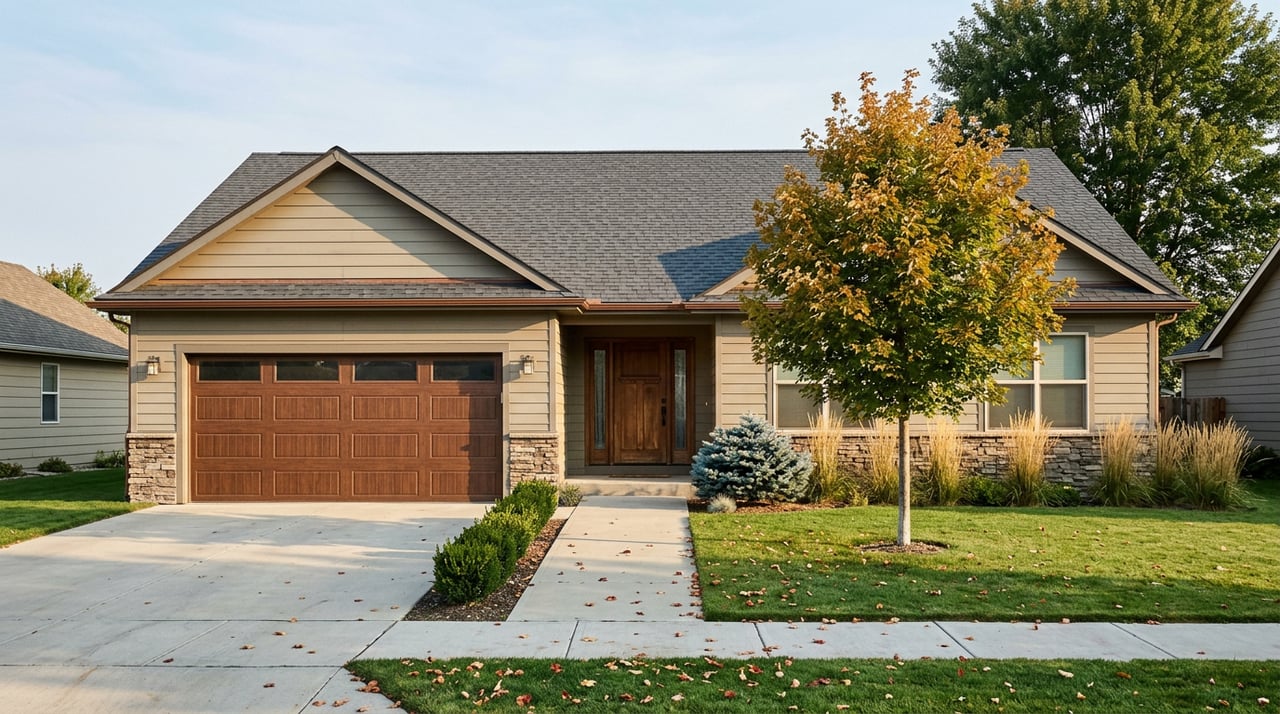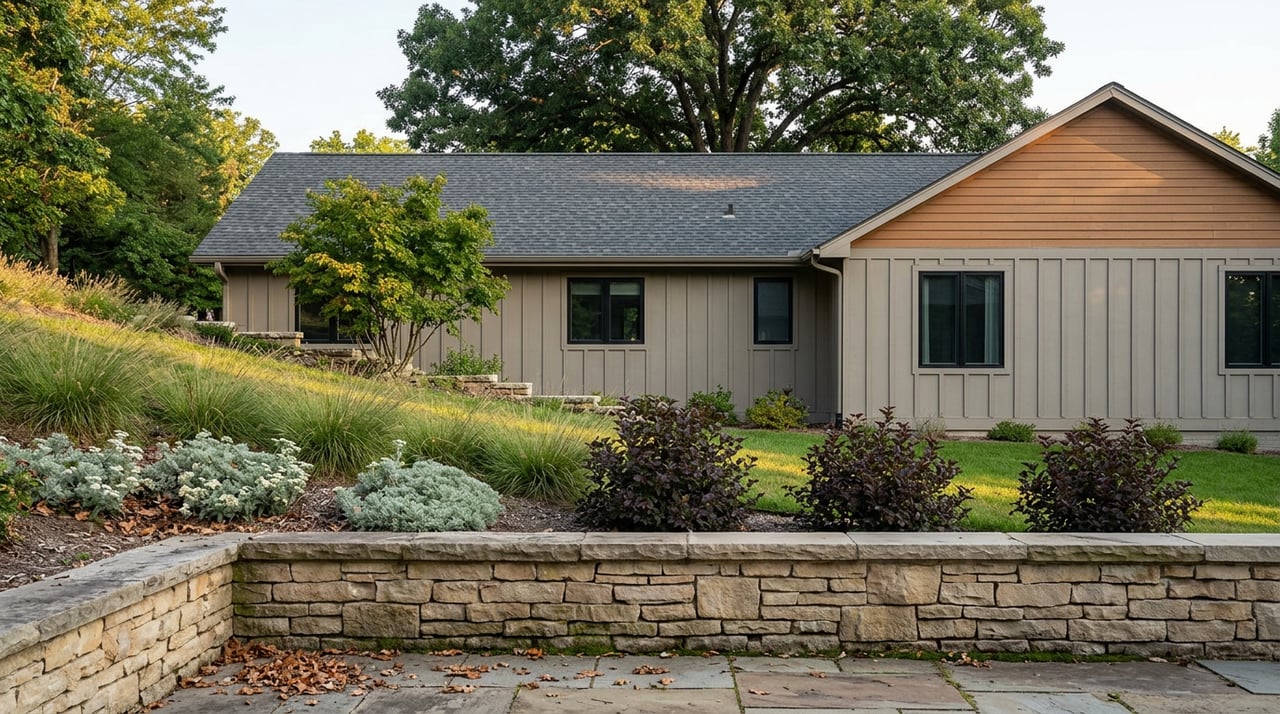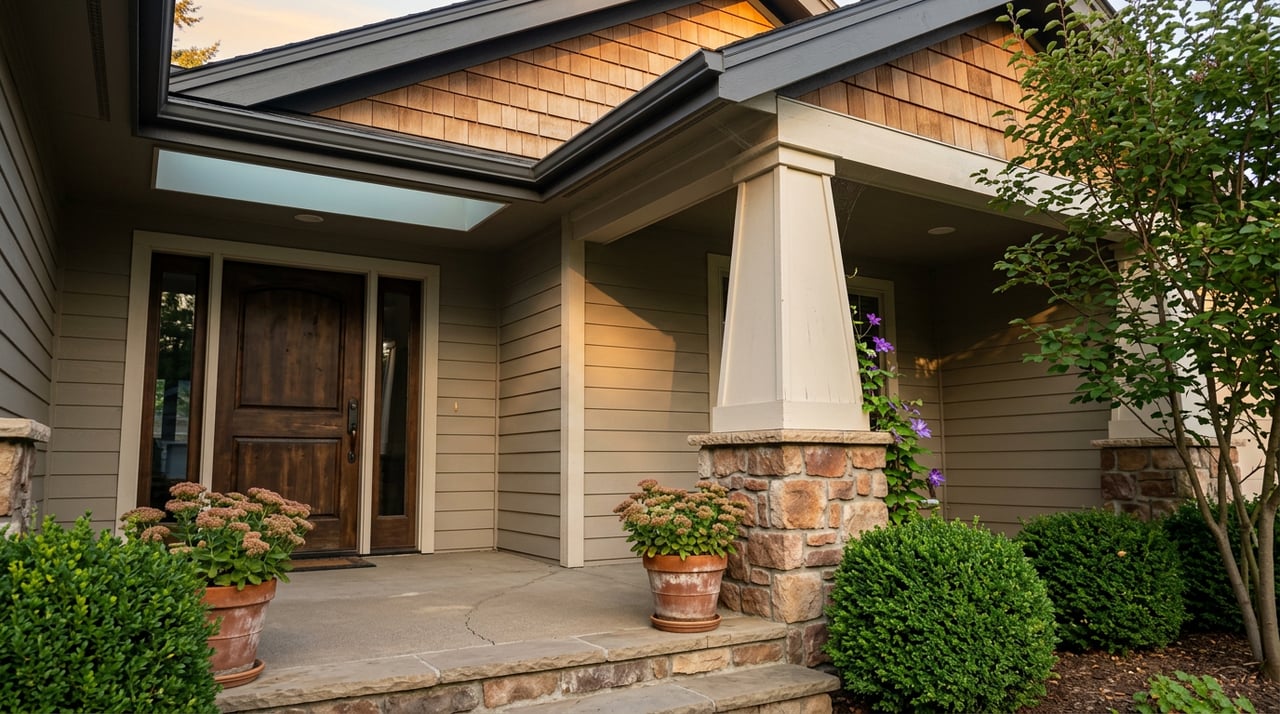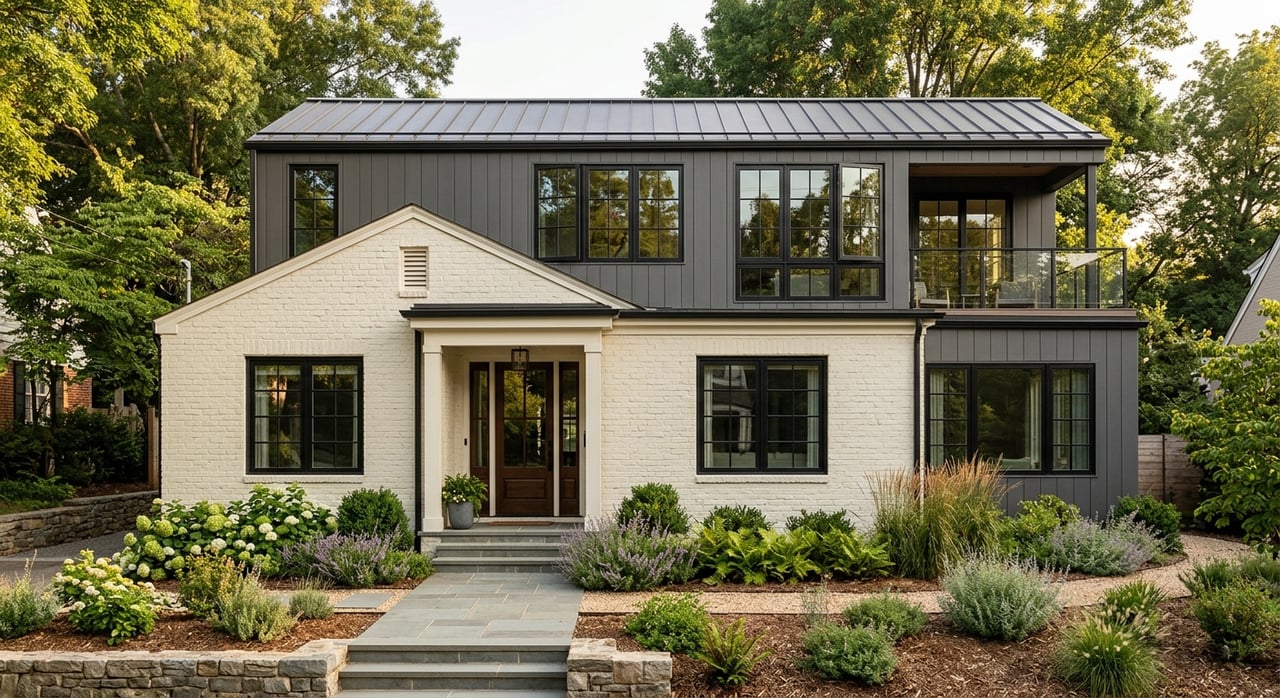
If you are home shopping in Cory-Merrill, you may notice something quickly: this is not a one-style neighborhood. On one block, you might see a smaller postwar ranch. On the next, a pop-top with added square footage. Around the corner, you may find a fully rebuilt home with a modern layout and newer systems. That variety can be exciting, but it can also make apples-to-apples comparisons hard. This guide will help you understand what you are really buying, what to verify before you write an offer, and how to think about value in this fast-moving Denver neighborhood. Let’s dive in.
Why Cory-Merrill Has So Many Newer Homes
Cory-Merrill is bounded by South University Boulevard, East Mississippi and East Tennessee Avenues, South Colorado Boulevard, and Interstate 25. According to the neighborhood association, it has more than 2,000 houses and a central location near the University of Denver, Wash Park, and the University of Denver light-rail station.
The neighborhood association also notes that Cory-Merrill has seen extensive residential redevelopment while keeping much of its historic charm. That helps explain why buyers often compare very different homes at very different price points, even within a small area.
Today, the housing mix includes original single-story postwar homes, remaining bungalows and brick ranches, and larger contemporary replacement homes. In practical terms, your search in Cory-Merrill is often less about choosing a neighborhood style and more about choosing the version of the neighborhood that fits your space needs, budget, and tolerance for future work.
What Buyers Are Comparing
In Cory-Merrill, most buyers end up comparing three broad options: original homes, pop-tops, and scrapes or new builds. Each comes with a different tradeoff between character, space, condition, and price.
Original Homes
Original cottages, bungalows, and ranches are often the smallest homes in the neighborhood. They can offer charm and a lower entry point than larger redeveloped properties, but they are also the homes most likely to need updates.
That does not mean every older home will have major issues. Still, Denver’s home-energy pilot found that a home’s insulation, windows, wall structure, heating equipment, and water heaters strongly affect performance. Common recommended upgrades in lower-scoring homes included furnaces, water heaters, attic insulation, duct sealing, air sealing, and window or wall insulation.
If you are considering an older home, it helps to think beyond finishes. A fresh kitchen or nice paint color matters, but the bigger cost drivers may be behind the walls or above the ceiling.
Pop-Tops
In Denver, a pop-top is a second-story addition built onto an existing home. These projects are popular on tighter city lots because they add living space without giving up much of the lot itself.
For many buyers, a pop-top can feel like a middle ground. You may get more bedrooms, more square footage, and a better layout than an original ranch, while still keeping some of the home’s original footprint and neighborhood feel.
That said, quality matters a lot with pop-tops. Local architects note that these additions require careful attention to zoning setbacks and bulk planes. Denver also treats additions as structural work, which means they do not qualify for the quick-permit path.
Scrapes and New Builds
A scrape replaces the original house with a new one on the same lot. In Cory-Merrill, that often means a more modern floor plan, newer systems, and higher finish levels.
For buyers who want turnkey living, this can be appealing. You may spend less time planning renovations and more time enjoying the home as it is.
The tradeoff is usually price. You may also notice that some replacement homes offer less original character, and in some cases the outdoor space can feel more limited than what you might expect from an older lot.
How to Think About Price in Cory-Merrill
Cory-Merrill sits firmly in Denver’s seven-figure tier, but pricing can vary depending on the source and the type of property being measured. As of late spring 2026, Zillow reported an average home value of $930,787. Redfin reported a median sale price of $1,299,563 based on 24 sales in May 2026, while Realtor.com reported a median listing price of $1.33 million with 26 homes for sale and a median 34 days on market in the spring 2026 period.
Those numbers are not identical, and that is normal. Different platforms use different time frames and methods. The bigger takeaway is that Cory-Merrill is a premium neighborhood where price differences often reflect the gap between older homes, expanded homes, and fully rebuilt homes.
A useful way to think about the market is as a ladder:
- Original homes are often the entry point
- Well-executed pop-tops often sit in the middle
- Scrapes and new builds are usually at the top end
Realtor.com also classified Cory-Merrill as a seller’s market in March 2026. That means well-positioned homes can still attract strong attention, so knowing your priorities before you tour can help you move faster and more confidently.
How to Choose the Right Home Type
The right choice depends on how you want to live, not just what looks best online. A smaller original home may work well if you want a foothold in the neighborhood and are comfortable planning updates over time.
A pop-top may make sense if you want more usable space now but still care about lot efficiency and established neighborhood context. A new build may be the better fit if you value newer systems, a more current layout, and fewer immediate projects.
Here are a few good questions to ask yourself:
- Do you want move-in ready, or are you open to future improvements?
- How important is original character to you?
- Do you need more square footage now, or can you grow into a home later?
- Are you budgeting only for purchase price, or also for repairs and upgrades?
- Do newer systems and energy-related improvements matter to you?
When you answer those questions honestly, the right category often becomes much clearer.
What to Verify Before You Make an Offer
In a redevelopment-heavy neighborhood like Cory-Merrill, paperwork matters almost as much as the house itself. Denver requires permits for most construction, alteration, or repair work on private property.
That is especially important for pop-tops, major additions, and new builds. Denver says structural work cannot use the quick-permit path, and for single-family and duplex additions and new buildings, the city requires an issued Residential Construction Permit before trade permits can proceed.
Ask for Permit History
If a home has been expanded or rebuilt, ask for the permit history. You want to know what work was approved, whether it reached final inspection, and whether the finished product matches the approved plans.
Denver also states that changes made after permit approval require modified drawings and a new review. If something looks different from what was originally described, that is worth clarifying early.
Review Final Inspections and Plans
For pop-tops and newer builds, ask for final inspections, structural engineering documents, and confirmation that the work was completed according to approved plans. This can help you avoid surprises after closing.
Even if a home shows beautifully, the real value is in both the visible finish level and the invisible quality of the work.
Check Core Systems
Whether you are buying an older ranch or a newer build, ask about these core items:
- Insulation
- Windows
- HVAC age
- Water heater type
- Sewer line condition
- Drainage
These details can affect comfort, maintenance costs, and future planning. Denver’s home-energy findings show why fixed assets such as insulation, building materials, and major mechanical systems matter so much.
Understand Scrape History
If the home replaced an older house, it can help to understand the demolition and rebuild timeline. Denver’s demolition process includes a demolition permit, neighbor notification at least 10 calendar days before demolition, tree protection requirements, and possible additional review in some cases.
For a buyer, that background can provide useful context on how the project was handled from the beginning.
Red Flags to Watch For
Not every concern is a deal breaker, but some deserve a closer look. In Cory-Merrill, be more cautious when you see big cosmetic appeal paired with thin documentation.
Watch for signs like these:
- Major additions with unclear permit records
- Newer finishes but older mechanical systems
- Limited documentation on final inspections
- Drainage questions around a rebuilt or expanded home
- Older homes where likely efficiency upgrades were never addressed
The goal is not to avoid every imperfect house. The goal is to understand what you are buying and what it may cost you later.
Why Local Guidance Matters Here
Cory-Merrill is a neighborhood where two homes with similar bedrooms or square footage can offer very different ownership experiences. One may be an original home with future upgrade potential. Another may be a carefully executed pop-top. A third may be a full replacement with newer construction standards and a premium price.
That is why neighborhood-level guidance matters. When you understand the redevelopment pattern, permitting context, and pricing ladder, you can compare homes more accurately and make a smarter decision.
If you are exploring Cory-Merrill, the best strategy is to look past the listing photos and focus on what truly affects long-term value: layout, condition, documentation, systems, and how the home fits your goals. If you want a local, high-touch guide as you compare original homes, pop-tops, and new builds, Trish Kelly is here to help.
FAQs
What is a pop-top in Cory-Merrill?
- A pop-top is a second-story addition on an existing home, often used in Denver to add space on a tight lot without giving up much of the yard.
Are new builds common in Cory-Merrill?
- Yes. The neighborhood association says Cory-Merrill has undergone extensive residential redevelopment, and local coverage describes a mix of original homes and larger replacement homes.
What should buyers verify on a Cory-Merrill pop-top?
- Ask for permit history, final inspections, structural engineering documents, and confirmation that the finished work matches the approved plans.
Why do older Cory-Merrill homes need closer review?
- Older homes may be more likely to need updates to insulation, windows, heating equipment, water heaters, and other core systems that affect comfort and performance.
Is Cory-Merrill a competitive market for buyers?
- Recent market data places Cory-Merrill in a premium price tier, and Realtor.com classified it as a seller’s market in March 2026.
How do Cory-Merrill home types usually compare on price?
- A helpful rule of thumb is that original homes are often the entry point, pop-tops tend to sit in the middle, and scrapes or new builds usually command the highest prices.