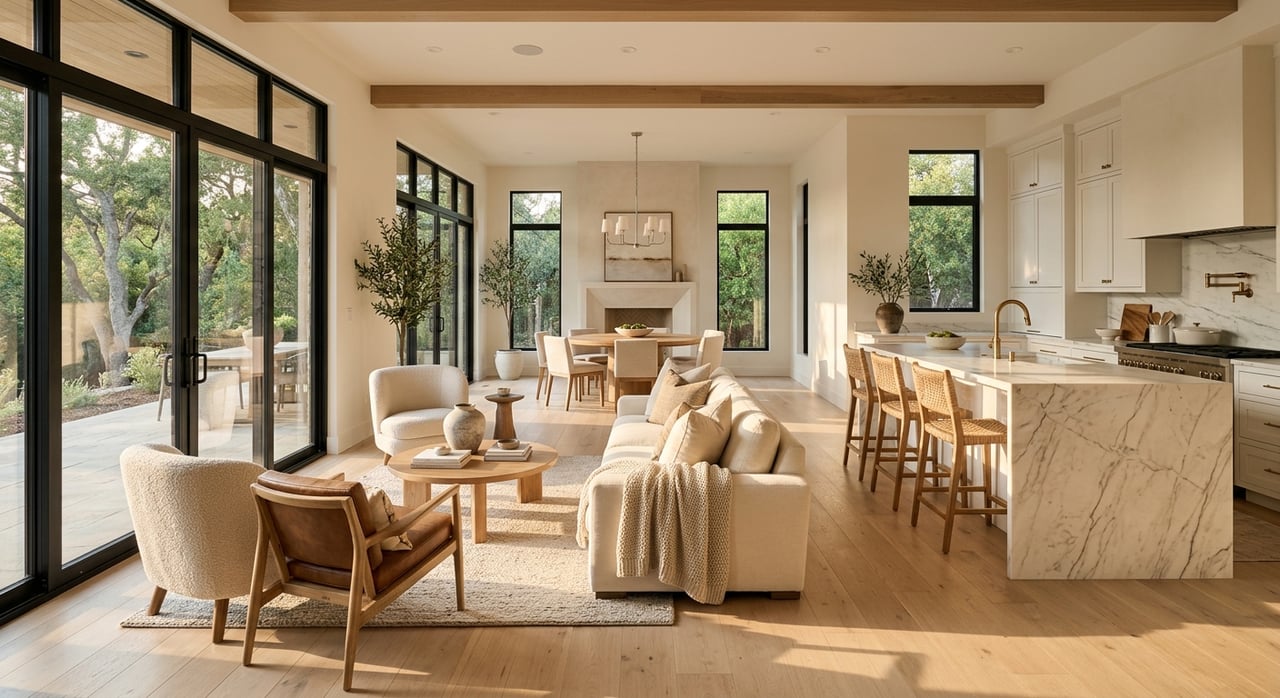
If your home hits the market looking like every other listing, buyers will treat it that way. In Highlands and the surrounding Arapahoe County area, buyers are still active, but they are also more selective about price, condition, and overall value. The good news is that you do not need a perfect house to stand out. You need a smart plan that fits your neighborhood, your price point, and today’s buyer expectations. Let’s dive in.
Why standing out matters now
The broader market is still moving, but it is not moving evenly. REcolorado’s May 2026 Greater Denver Metro report showed a median closed price of $615,000, median Days in MLS of 16, pending sales up 5% year over year, and new listings down 18%.
At the county level, Arapahoe County data tells a similar story with an important twist. Redfin reported a median sale price of $556,331 for the three-month period ending May 2026, with homes selling in 18 days on average, while 30.4% of homes sold above list price and 28.4% saw price drops. That means buyers are still willing to act quickly, but they are not rewarding homes that miss the mark on pricing.
For Highlands sellers, the biggest takeaway is simple: you cannot rely on a hot-county headline alone. Realtor.com’s city-level data for Arapahoe County ranged from $444,900 in Aurora to $4.175 million in Cherry Hills Village, with Centennial at $645,000 and Littleton at $649,999. That kind of spread makes hyperlocal strategy essential.
Start with precise pricing
If you want to stand out in any market, pricing is your first marketing decision. In nearby Centennial, Redfin reported a median sale price of $660,605 and 12 days on market, while Zillow showed an average home value of $648,057 with homes going pending in around 8 days. Different methods, same message: buyers respond fast when a home feels aligned with the market.
Overpricing can hurt your momentum from day one. In Arapahoe County, more than a quarter of homes saw price drops, which shows how quickly buyers can push back when a listing starts too high. A strong launch usually creates more interest than a price reduction later.
For Highlands sellers, that means your pricing strategy should come from subdivision-level comparables, not broad county averages. A buyer comparing homes in your immediate area will be looking at similar floor plans, lot sizes, condition, HOA structure, and updates. That local context matters more than a countywide median ever will.
Make your first impression count
Most buyers meet your home online before they ever step through the front door. According to NAR’s 2025 Profile of Home Staging, 73% of buyers’ agents said photos were among the most important listing assets, followed by physical staging at 57%, videos at 48%, and virtual tours at 43%.
That matters because online presentation shapes whether a buyer decides your home is worth a showing. The same report found that 83% of buyers’ agents said staging made it easier for buyers to visualize the property as a future home. In a market where buyers are comparing carefully, that edge can be meaningful.
You do not always need a major renovation to create that effect. In many cases, the best return comes from decluttering, addressing visible flaws, improving lighting, and investing in strong photography and video. Buyers often notice polish before they notice perfection.
Focus on the rooms buyers notice most
Not every room carries the same weight. NAR reported that the living room, primary bedroom, and kitchen were the rooms buyers’ agents most often considered important to stage.
If you are deciding where to spend time and money before listing, start there. Clear counters in the kitchen, simplify furniture layouts in the living room, and create a calm, clean look in the primary bedroom. Small changes in these spaces can make the whole home feel more inviting.
This is especially important because many of today’s buyers are experienced shoppers. NAR’s 2025 generational trends report found buyers spent a median of 10 weeks searching and viewed 7 homes before purchasing. They are comparing features, condition, and value closely, so every visible detail helps shape your position.
Tell a local lifestyle story
A strong listing does more than describe square footage and finishes. It helps buyers understand how the home fits into daily life in Highlands and the surrounding Centennial area.
Centennial’s neighborhood resources point to the kinds of details buyers often care about most: school district context, parks and trails, HOA information, and special district boundaries. The city notes that residents are served by Littleton Public Schools and Cherry Creek School District, with more than 50 area schools, and it provides maps for HOA and special district information.
Outdoor access is also a meaningful part of the area’s appeal. Centennial says the city offers more than 100 parks, 100 miles of trails, and more than 4,000 acres of open space through partnerships with recreation districts. For many buyers, those practical lifestyle details help a listing feel grounded and real.
The key is to stay specific and factual. Instead of using broad metro language, position your home around the actual amenities, governance details, and day-to-day conveniences that apply to your immediate neighborhood. That kind of neighborhood-level guidance is often what helps a listing feel more credible and compelling.
Launch polished, not passive
In a selective market, a passive listing strategy can cost you valuable early attention. The first days on market often shape buyer perception, so your goal should be to launch fully prepared rather than list first and fix things later.
A polished launch usually includes:
- Accurate, neighborhood-based pricing
- Clean and decluttered interiors
- Attention to the kitchen, living room, and primary bedroom
- Professional-quality photos
- Video and virtual tour assets when appropriate
- Clear property details about HOA, districts, and neighborhood context
This approach matches how buyers shop now. If they have already spent weeks searching and comparing homes, they will quickly spot a listing that feels rushed or incomplete. A prepared launch helps you compete from the start.
Know the paperwork before you list
Preparation is not only about presentation. Sellers in Colorado also need to be ready for the disclosure side of the process.
Under Colorado’s seller-disclosure framework, the Seller’s Property Disclosure form is completed by the seller, not the broker. State contract language also says a seller is not required by law to provide a written disclosure form, but the seller must disclose known material latent defects.
If your home was built before 1978, lead-based paint disclosure may also apply. The EPA says sellers of most pre-1978 housing must disclose known information about lead-based paint and lead-based paint hazards before sale.
Some sellers may also need to plan for tax-related closing details. The Colorado Department of Revenue says sales of Colorado real property valued at $100,000 or more by nonresidents can be subject to withholding, with the closing agent or settlement provider handling reporting and remittance forms. Knowing about these items early can help your listing process feel smoother and less stressful.
Why professional representation still matters
Even in a digital-first world, real estate remains highly guided. NAR’s 2025 Profile of Home Buyers and Sellers found that 91% of sellers used an agent or broker, and 88% of buyers purchased through an agent or broker.
For sellers, that makes sense. Competitive pricing, marketing reach, negotiation support, and help staying on timeline all become more important when buyers are moving quickly on some homes and skipping others. The difference between a listing that blends in and one that stands out often comes down to the strategy behind it.
For Highlands homeowners, that strategy should feel local, responsive, and tailored to your exact micro-market. A boutique, neighborhood-focused approach can help you shape the right story, prep the home thoughtfully, and launch with the kind of presentation today’s buyers expect.
If you are thinking about selling in Highlands, the best first step is a clear plan built around your home, your timing, and your neighborhood. For personalized guidance and a high-touch marketing approach, schedule a free consultation with Trish Kelly.
FAQs
How should Highlands sellers price a home in today’s market?
- Use subdivision-level comparables and nearby neighborhood data, not just countywide averages. Arapahoe County varies widely by city and price band, so precise local pricing is key.
Do Highlands sellers need to renovate before listing?
- Not necessarily. The research supports prioritizing decluttering, fixing obvious issues, and improving staging, photography, video, and overall presentation before taking on major remodels.
What listing features matter most to buyers in Highlands?
- Strong photos are the top priority, followed by staging, video, and virtual tours. Buyers’ agents also identify the living room, primary bedroom, and kitchen as especially important spaces to stage.
Why does neighborhood positioning matter for Highlands home sales?
- Buyers are often comparing homes at a very local level. Specific details about parks, trails, school district context, HOAs, and special districts can help your listing feel more relevant and useful.
What disclosures should Highlands sellers expect in Colorado?
- Expect seller disclosure paperwork, possible lead-based paint disclosures for many pre-1978 homes, and in some cases nonresident withholding-related closing forms if the sale meets Colorado’s requirements.