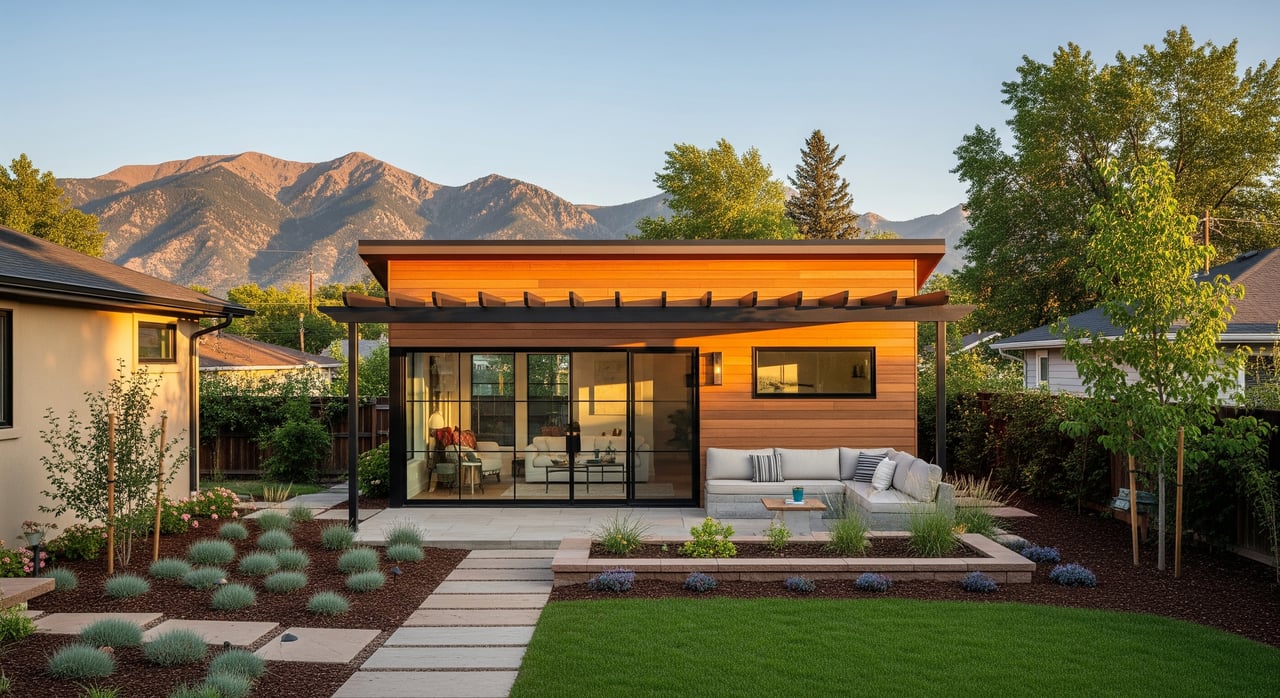
Thinking about adding an accessory dwelling unit to your Wheat Ridge property? An ADU can create flexible living space for family, a long-term rental, or a future resale boost, but local rules and permits can feel overwhelming. You want a clear roadmap that helps you move from idea to keys-in-hand without costly surprises. This guide walks you through what to check, the approvals you will need, typical timelines and costs, and a simple way to estimate return on investment. Let’s dive in.
What to check first: Wheat Ridge rules
Before you sketch a floor plan or call a contractor, confirm how Wheat Ridge regulates ADUs for your specific parcel. The City of Wheat Ridge Planning Division and the Building and Permit Services office administer zoning and building rules. Policies can vary by zoning district and sometimes by overlay areas, so verification up front saves time and money.
Confirm your zoning
Start by finding your property’s zoning district and whether ADUs are allowed there. Many cities allow ADUs in some single-family zones and parts of multifamily areas, but the details differ. Ask planning staff if any overlays apply to your address that could change standards or review steps.
ADU types and size limits
Wheat Ridge, like many cities, treats ADU types differently. Common categories include:
- Internal ADU inside the main house, such as a basement or attic conversion.
- Attached ADU as an addition to the main house.
- Detached ADU as a standalone structure, including new construction or a garage conversion.
Cities often cap ADU size as a percentage of the primary home or set a square footage maximum. Numeric limits can change, so request the current standard for your zoning district.
Setbacks, height, and lot coverage
Detached ADUs usually have stricter rear and side-yard setbacks and lower height limits than a main house. Lot coverage or floor area rules may also apply. If you are pursuing a garage conversion, different accessory building rules can apply. Confirm how Wheat Ridge counts ADU square footage toward lot coverage and what height is allowed.
Parking and access
Some cities require an additional on-site parking space for an ADU, while others reduce or waive it in certain zones or near transit. Ask whether tandem parking counts and how on-street parking is treated. Also consider safe access and a clear entrance for the ADU.
Occupancy and rental limits
Check whether owner-occupancy is required for the primary house or the ADU. If you plan to rent, verify rules for long-term leases and whether short-term rentals are allowed or require a license. Policies differ and can change, so get written guidance from planning staff.
Utilities and meters
Confirm how Wheat Ridge handles water and sewer connections for ADUs and whether separate utility meters are required or optional. You may need to coordinate with local providers, such as Xcel Energy for gas and electricity, to confirm capacity and meter options. Panel upgrades are common when adding a kitchen, laundry, or new HVAC.
Historic districts and HOAs
If your home is in a historic district or is a designated landmark, there may be additional design review or restrictions. Also review any HOA covenants. Private rules can be more restrictive than city code, and the city does not override them.
Permits and approvals: step by step
While each project is unique, most ADUs follow a common sequence. Confirm the exact process and submittal checklist with the City of Wheat Ridge before you begin.
Pre-application and feasibility
- Verify zoning, setbacks, and allowed ADU types for your lot.
- Discuss your concept with planning and building staff. A pre-application meeting is often optional but can flag issues early.
Design and drawings
- Prepare a site plan, floor plans, elevations, and utility layout. Conversions typically require existing and proposed drawings.
- Many owners hire an architect or designer, especially for detached units or additions.
Land-use review, if needed
- If you need relief from setbacks, height, or parking, expect a land-use review such as a variance or conditional use. This can add time for public notice and hearings.
Building permit and plan review
- Submit your plans for structural, mechanical, plumbing, electrical, and energy code review. The city uses adopted versions of the residential and energy codes, so include required compliance documentation.
Utilities and public works coordination
- Confirm water and sewer capacity and any fees with the local provider.
- Coordinate electrical and gas with the utility. Some projects need a separate meter or panel upgrade.
- If you will add or change a driveway or sidewalk, check for public-works permits and stormwater requirements.
Review, corrections, and issuance
- Plan review often takes several weeks. Respond promptly to comments and resubmit corrections to keep your timeline on track.
Construction and inspections
- Build only after your permit is issued. Inspections typically cover foundation, framing, rough electrical, plumbing, mechanical, insulation, and final.
Final occupancy
- After passing final inspections, the city issues a Certificate of Occupancy or final sign-off so you can legally use the ADU.
How long it takes
- Feasibility and design: 2 to 8 weeks. Simple internal conversions are faster; detached ADUs take longer.
- Plan review and permits: 3 to 12 or more weeks, depending on complexity, staff workload, and any land-use hearings.
- Construction: 4 to 12 weeks for conversions; 3 to 9 months for detached new builds.
- Total project time: about 3 months for very simple conversions to 12 or more months for larger, detached units.
Design choices that fit Wheat Ridge lots
Your lot, utilities, and goals will steer you toward the right ADU type. Understanding complexity and code issues upfront helps you budget realistically.
ADU type and complexity
- Internal conversion is usually the fastest and most cost-effective. You will address egress, fire separation, and possibly sound attenuation.
- Garage conversion is moderate in cost. Plan for structural adjustments, insulation, and the potential need to replace lost parking.
- Attached addition tends to cost more than a conversion, especially with foundation work and structural tie-ins.
- Detached new build is usually the most expensive. It may need new utilities, a foundation, and stricter height and setback compliance.
Parking and access strategy
Lay out a clear path to the ADU. If an additional space is required, ask whether tandem or alley access qualifies. Think about lighting, privacy, and how guests or tenants will enter without crossing private spaces of the main home.
Life-safety and building code basics
Plan for bedroom egress windows, smoke and carbon monoxide alarms, and any required fire separations, especially for internal or attached units. Expect modern energy requirements for insulation, windows, and HVAC.
Stormwater and site work
New foundations and added impervious surface can trigger stormwater measures and may affect lot coverage. Ask early about grading, drainage, and whether a civil plan is needed.
Design for rentability and comfort
- One-bedroom layouts tend to appeal to the widest renter pool.
- Include a functional kitchen, in-unit laundry, and storage.
- Provide some private outdoor space if possible.
- Invest in energy efficiency and durable finishes to reduce operating costs and maintenance.
What it costs in the Denver metro
Actual costs depend on size, site conditions, and finish level, but these ranges are common in metro markets like Wheat Ridge:
- Interior conversion, studio or 1-bedroom: about $25,000 to $100,000.
- Attached ADU or addition: about $80,000 to $250,000.
- Detached new ADU: about $100,000 to $400,000 or more.
- Garage conversions vary with structure and code upgrades.
Plan for soft costs such as design fees of roughly 5 to 15 percent of construction, permits and impact fees, and utility connection fees. Add a 10 to 20 percent contingency for surprises. Recent years have seen higher material and labor costs and longer lead times, so get local contractor bids early.
Financing your ADU
Homeowners often use a mix of:
- Home equity line of credit or a cash-out refinance.
- Renovation loans such as Fannie Mae HomeStyle Renovation.
- FHA 203(k) for owner-occupants.
- Personal construction loans and portfolio loans for small investors.
- Check whether any local or state programs support ADUs, especially for affordability goals.
Rental income is taxable, so track expenses and depreciation if you rent the ADU. Adding an ADU can increase your assessed value and property taxes, so factor that into your budget. Notify your insurance carrier about the change in use and consider appropriate coverage.
Will it pencil? Simple ROI math
A straightforward way to evaluate returns is to estimate net operating income and compare it to your total project cost.
- Net annual rent equals gross annual rent minus vacancy and operating expenses like taxes, insurance, utilities you pay, maintenance, and management fees.
- Initial capitalization rate equals net operating income divided by total project cost.
- Cash-on-cash return looks at your annual cash flow after debt service divided by the cash you invested.
Example: If a 1-bedroom ADU rents for $1,500 per month, that is $18,000 per year in gross rent. Subtract 8 percent vacancy, or $1,440, and $3,600 in annual expenses. Estimated net is about $12,960. If your total project cost is $150,000, your unlevered cap rate is about 8.6 percent. Your actual return will vary with financing, taxes, and operating costs, but this gives you a quick screen for feasibility.
Wheat Ridge ADU checklist
- Verify zoning and whether your lot allows an ADU with the City of Wheat Ridge Planning Division.
- Check overlays or historic designation and review HOA covenants or CC&Rs.
- Contact Building and Permit Services for a pre-application checklist and fee estimate.
- Call utility providers to confirm water, sewer, and electric or gas capacity and meter policies.
- Obtain a site survey or confirm setbacks from your recorded plat.
- Choose your ADU type and scope. Get preliminary estimates from two to three local contractors or a designer.
- Submit applications for any required land-use reviews, building permits, and utility permits.
- Build with scheduled inspections and obtain final occupancy approval.
- If you will rent, verify any rental registration requirements and update your insurance.
Common pitfalls to avoid
- Skipping zoning verification and HOA review, then learning your plan does not fit the rules.
- Underestimating utility costs, especially panel upgrades and sewer connection fees.
- Ignoring parking requirements that trigger redesign late in the process.
- Avoiding a pre-application meeting when a quick conversation could resolve issues early.
- Not budgeting a contingency, which can lead to mid-project funding gaps.
- Missing required inspections or documentation that delay final occupancy.
Get local guidance
Every Wheat Ridge lot is unique. The fastest route to a successful ADU is to confirm your zoning and utilities early, assemble a clear design, and work closely with city staff through review and inspections. If you are weighing rentability, resale impact, or the best path for your long-term goals, connect with a local expert who knows the neighborhood market and how ADUs play into value. To talk through options for your property, reach out to Trish Kelly for a friendly, no-pressure consultation.
FAQs
What Wheat Ridge zones allow ADUs?
- It depends on your parcel’s zoning district and any overlays. Contact the City of Wheat Ridge Planning Division to confirm whether an ADU is allowed on your lot and what standards apply.
Do I have to live on the property if I build an ADU?
- Some cities require owner-occupancy in either the main home or the ADU; verify the current Wheat Ridge policy with planning staff before you proceed.
Are short-term rentals allowed in a Wheat Ridge ADU?
- Short-term rental rules vary and may require licensing; confirm whether your ADU can be used for short-term stays or if only long-term rentals are allowed.
How long does an ADU project take from start to finish?
- Simple conversions can take about 3 to 6 months, including permits and construction, while detached new builds often run 6 to 12 or more months depending on reviews and contractor schedules.
How much does a detached ADU cost in the Denver area?
- Detached ADUs commonly range from about $100,000 to $400,000 or more, depending on size, site work, and finish level; get local bids to refine your budget.
Do I need a separate utility meter for an ADU?
- Meter requirements are project-specific; coordinate with the city and local providers such as Xcel Energy to confirm whether separate meters or panel upgrades are needed.
Will an ADU raise my property taxes?
- Adding an ADU can increase assessed value and property taxes; check with the Jefferson County Assessor for details on how improvements affect your assessment.
How many parking spaces are required for an ADU?
- Parking policies vary by city and zoning district; ask Wheat Ridge planning staff whether an extra on-site space is required and what types of spaces qualify.