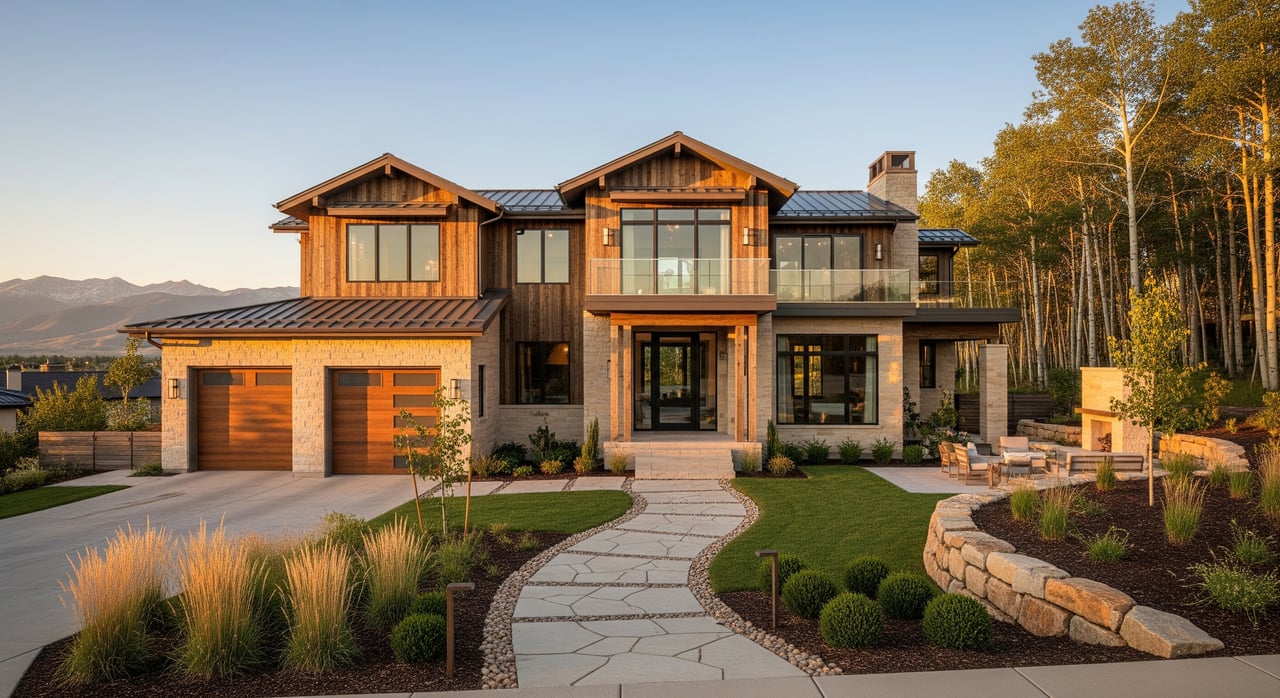
Thinking about sizing up without leaving Arvada? You’re not alone. Many local families want more space, a newer layout, or a larger yard while staying close to favorite parks, shops, and schools. In this guide, you’ll learn how to read today’s market, choose the right neighborhoods, decide whether to buy first or sell first, and follow a simple 90-day plan to keep your move on track. Let’s dive in.
Arvada market snapshot for move-up buyers
You’ll make your best decisions when you track a few key numbers. For a move-up, focus on single-family homes and specific neighborhoods where larger floorplans are common. The right data helps you set a realistic budget, time your sale, and plan your offer strategy.
What to watch each month
- Median sale price and price per square foot by home type. These help you compare neighborhoods and set your target price band.
- Inventory or months of supply. Under 3 months often favors sellers, 3 to 6 is balanced, and above 6 can favor buyers. This affects how fast you must act and how you negotiate.
- New listings, pending sales, and days on market. Together, these show momentum and competition.
- Sale-to-list price ratio. Tells you whether homes are closing at, above, or below asking.
- Mortgage rates. Rate movement changes affordability and can quickly shift buyer demand.
- Local jobs and migration. Steady employment and in-migration support demand over time.
What current trends mean for you
Recent Denver-area patterns showed a gradual return to normal conditions after the intense 2020 to 2022 period. Inventory improved from record lows through 2023 to mid-2024, while higher interest rates cooled some demand. That said, larger and newer single-family homes often turn over less, so selection can still feel tight. If you need specifics, pull current Arvada figures for the metrics above and compare them with nearby suburbs so you understand your competition and value.
Budget and financing for your next home
Moving up is about more than sale price. Plan for the purchase price gap between your current and next home, plus closing costs, moving, and any light renovations. Think through carrying costs if you buy first, and map out taxes and insurance for a larger property.
Common financing paths
- Conventional loan with a sale contingency. Safer for you if you must sell first, but less attractive to many sellers in low-supply pockets.
- Bridge loan or temporary second lien. Gives you funds to buy before you sell, with added cost and underwriting.
- HELOC or cash-out refinance. Taps equity for a down payment. Compare terms and how this interacts with your new loan.
- Rate strategy. Once under contract on the new home, ask your lender about rate locks and timing.
Ongoing costs to plan for in Jefferson County
- Property taxes and potential mill levy changes year to year.
- Home insurance and utilities for a larger home.
- HOA dues and community rules where applicable.
- Routine maintenance and reserves, especially if you are moving to a bigger yard or a home with more systems.
Buy first or sell first
The right sequence depends on your finances, risk tolerance, and the supply of homes you want.
When selling first works best
You reduce financing risk and often strengthen your buying position as a contingency-free or cash buyer. The tradeoff is possible temporary housing. This path can be smart if your target neighborhoods have a steady flow of listings or if you want maximum negotiating power once you shop.
When buying first makes sense
If your ideal move-up segment is tight, buying first gives you time to wait for the right home. You may need bridge financing or a HELOC and must be comfortable carrying two homes briefly. This path works if you have strong reserves and a clear exit plan for your current home.
Ways to reduce risk on either path
- Get a detailed market valuation and pricing plan for your current home.
- Secure a strong pre-approval and confirm funds for earnest money.
- Align closing dates and consider rent-backs to smooth the handoff.
- Keep inspection timelines tight and stay flexible on closing.
Where to find space in Arvada
Arvada offers a range of neighborhoods that fit different move-up priorities. As you tour, compare yard size, commute routes, and whether you want newer construction or classic homes with character.
Olde Town and central Arvada
You’ll find walkable streets, restaurants, and RTD G Line access to Denver. Homes here are often older with smaller lots or bungalows that have been updated. This area fits lifestyle-driven buyers who value convenience and local amenities over maximum square footage.
West Arvada and Arvada West
These established areas tend to offer larger lots, mature trees, and lots of parks. If you want a yard for pets or outdoor living, this zone is worth a close look. Expect a mix of mid-century and later single-family homes.
North and northeast Arvada near W. 80th to 120th
This corridor includes newer subdivisions and infill with modern layouts and larger footprints. If you prioritize open floorplans, energy-efficient features, and more bedrooms, start here. Finished basements can add significant usable space.
Southeast Arvada near Lakewood and Golden
Homes and lot sizes vary, and proximity to I-70 and the foothills appeals to outdoor-oriented buyers. If you split time between Denver and mountain recreation, this location can be convenient. Compare specific micro-areas for commute and lifestyle fit.
New-build pockets and infill
Newer construction across small subdivisions can provide turnkey living, modern kitchens, and energy savings. Expect a cost premium and longer timelines compared with resale. If you go this route, ask about warranty coverage, upgrade allowances, and build schedules.
Product types that fit most move-ups
- Single-family detached with 3 to 5 or more bedrooms is the most common move-up goal.
- Ranch homes offer single-level living, while two-story plans often deliver more bedrooms with a smaller lot footprint.
- Finished basements meaningfully increase usable square footage in the Denver market.
Neighborhood match at a glance
Use this quick guide to align your wish list with likely search zones. Always confirm specifics for a given property, including school boundaries and HOA details.
| Priority | Good places to start |
|---|---|
| Larger yard and established feel | West Arvada and Arvada West |
| Newer layouts and energy efficiency | North and northeast Arvada near W. 80th to 120th, select new-build pockets |
| Walkability and transit access | Olde Town and central Arvada areas near the RTD G Line |
| Outdoor access and mountain routes | Southeast Arvada near Lakewood and Golden border |
| Turnkey, low-maintenance living | New-build subdivisions or recent infill across Arvada |
Smart prep for selling your current home
Aim for a clean, move-in ready presentation without over-improving. Quick-turn projects and strong marketing help you sell faster and fund your next purchase.
- Price to current comps and set clear expectations for days on market.
- Consider a pre-listing inspection to identify and fix issues or price accordingly.
- Focus improvements on curb appeal, lighting, kitchen refreshes, and essential system items.
- Stage to highlight family living, storage, and work-from-home options, and invest in professional photos.
Offer strategies that win without overreaching
Your goal is to be competitive while protecting your interests.
- Structure contingencies thoughtfully. Keep financing and inspection contingencies, but consider flexible timing.
- Use escalation clauses and a meaningful earnest deposit when competition is high.
- Offer closing dates that match the seller’s needs. Rent-backs can be helpful.
- In calmer conditions, negotiate for repairs. In tighter markets, sellers may prefer credits.
Your 90 to 120 day game plan
A simple timeline keeps everything moving and reduces stress.
- 90+ days out: Get a market valuation for your current home, secure lender pre-approval, shortlist target neighborhoods, and confirm must-haves like bedroom count and commute.
- 60 to 90 days: Choose your agent, schedule quick pre-list updates, and get contractor bids if needed.
- 30 to 60 days: List your current home if selling first, or start touring and writing offers if buying first. Set a plan for temporary housing if needed.
- 0 to 30 days: Negotiate offers, complete inspections, align closing dates for a smooth handoff, and schedule movers and utilities.
Local logistics to check early
- Property taxes. Review current Jefferson County assessments and factor year-to-year changes into your budget.
- HOA dues and rules. Understand restrictions for parking, pets, rentals, and exterior changes.
- Permits and projects. If you plan to remodel before or after closing, review City of Arvada permit steps and timelines.
- Schools and enrollment. Jeffco Public Schools serves Arvada. Confirm boundaries and enrollment dates for your target year.
- Commuting. Map access to I-70, SH 93, and C-470, plus the RTD G Line if rail access matters to you.
Ready to plan your move-up?
When you want more space without giving up the Arvada lifestyle, the right plan makes all the difference. From pricing your current home and staging it to shine, to scouting off-market options and negotiating the buy-sell timeline, you deserve a local advocate by your side. If you’re ready to talk strategy, schedule a free consultation with Trish Kelly.
FAQs
What should Arvada move-up buyers track each month?
- Monitor median price, price per square foot, months of supply, days on market, sale-to-list ratio, and mortgage rates to gauge competition and timing.
Should I sell my Arvada home before buying a larger one?
- It depends on your financing capacity, risk tolerance, and how tight inventory is for your target homes; selling first lowers risk, buying first offers more time to find the right fit.
How much equity do I need to move up in Arvada?
- Plan for a down payment on the new home plus closing costs and reserves; a lender can model scenarios that include bridge options or a HELOC.
Are new-build homes better than resale for families in Arvada?
- New builds offer modern layouts and warranties but often cost more and can take longer; resale may trade turnkey features for better value or location.
How can I time school enrollment with a move in Arvada?
- Confirm Jeffco Public Schools boundaries and enrollment dates early, then align your closing and move-in plan with those timelines.
What is a realistic timeline for a coordinated buy-sell in Arvada?
- Many families use a 90 to 120 day plan that starts with valuation and pre-approval, then improvements, listing or home tours, and aligned closings.