Trying to choose between Lakewood and Denver can feel like a tug-of-war between space, walkability, commute time, and weekend fun. You want a home that fits your lifestyle today and gives you room to grow, without sacrificing the things you love. In this guide, you will get a clear, side-by-side look at housing styles, prices, commutes, outdoor access, and daily logistics so you can make a confident move. Let’s dive in.
Lakewood vs. Denver at a glance
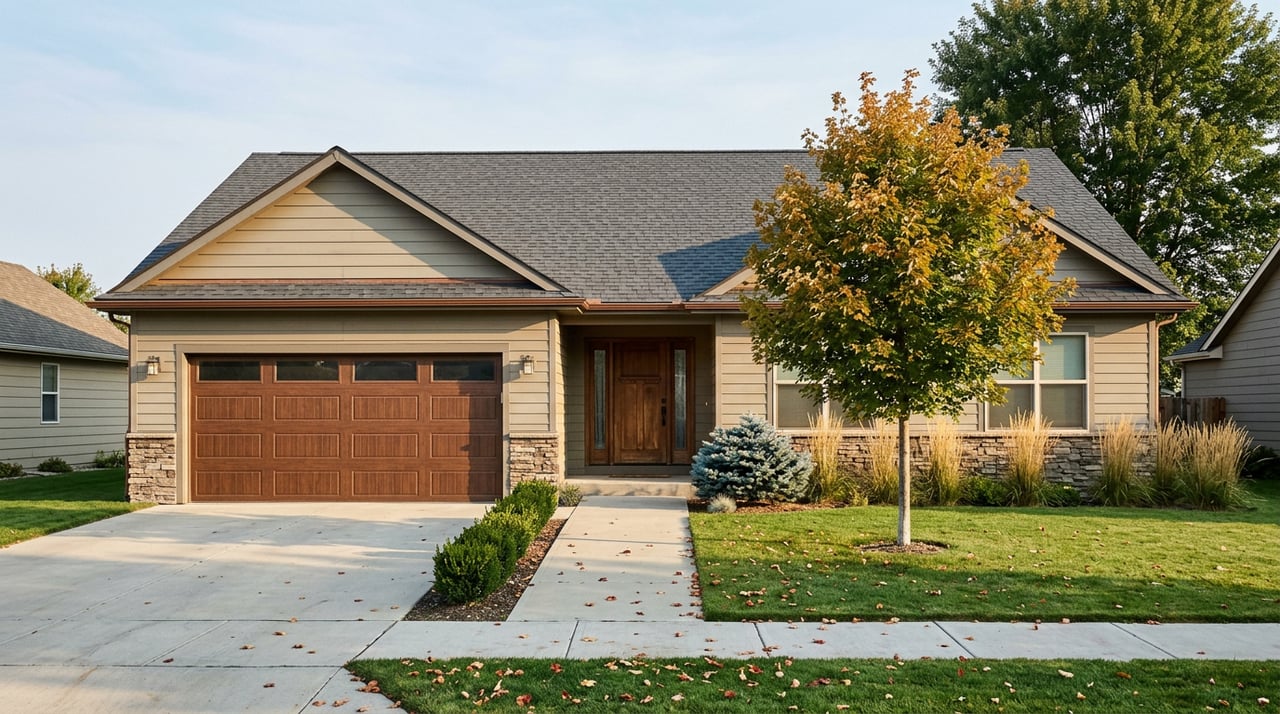
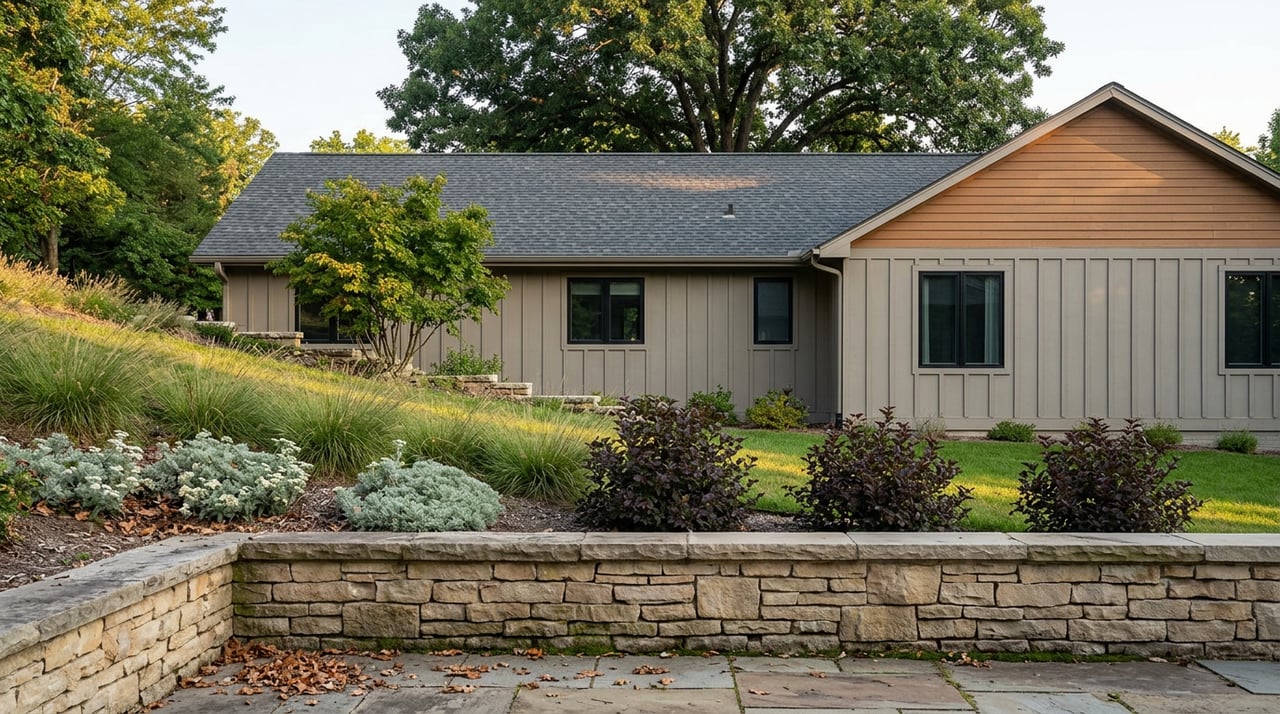
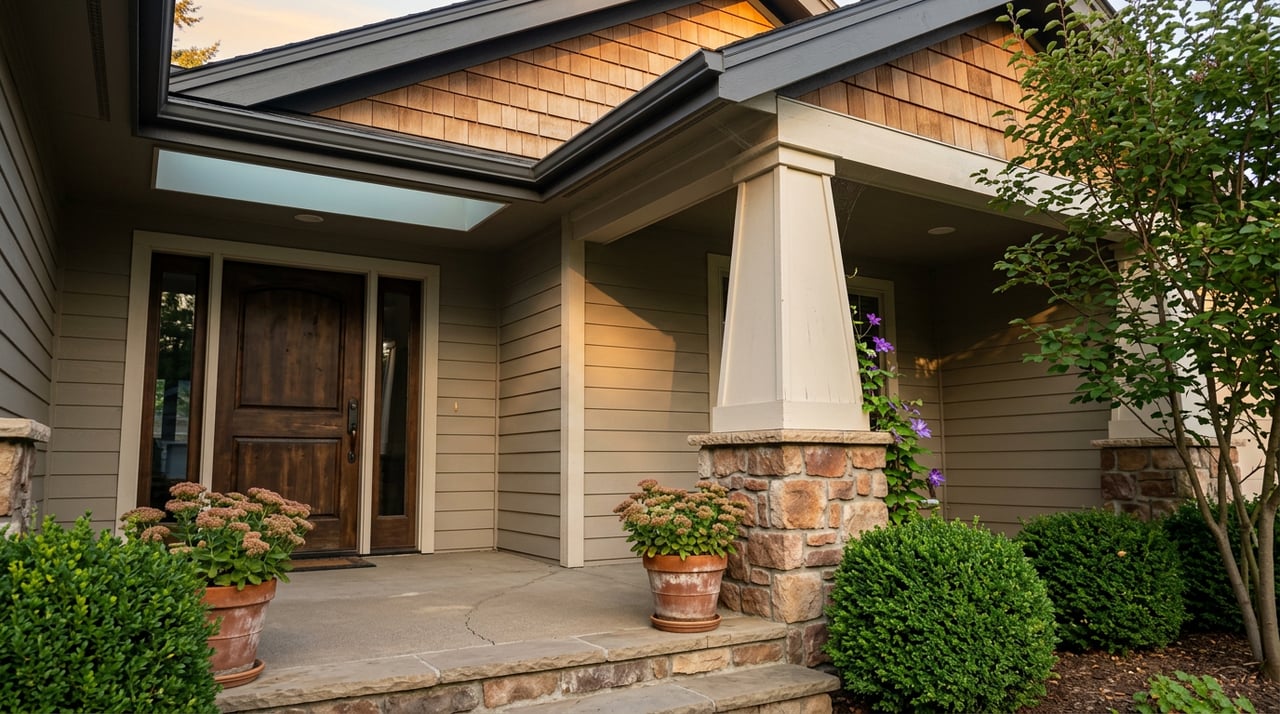
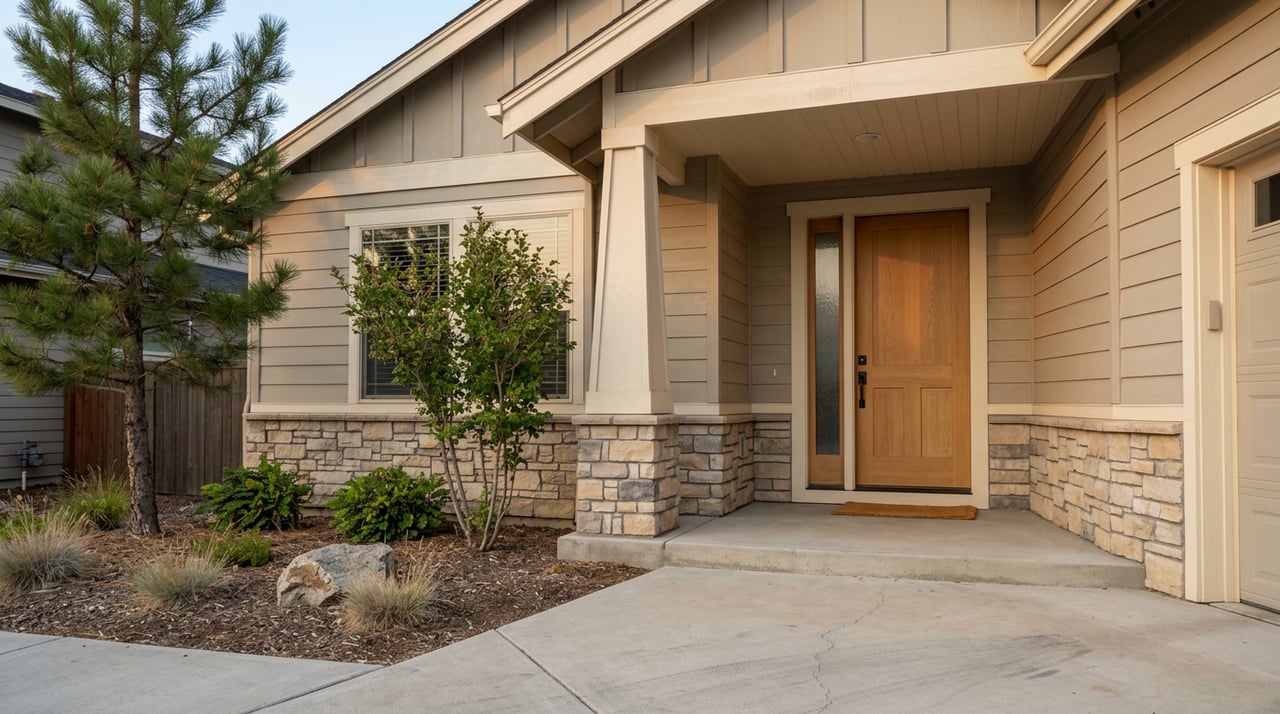
- Housing vibe: Lakewood leans toward single-family homes on larger lots, many ranch and mid-century styles, plus newer townhomes and condos in select hubs. Central Denver is denser, with lofts, high-rise condos, and historic bungalows close to restaurants and museums.
- Pricing snapshot: Recent market snapshots show Lakewood and Denver citywide medians in a similar range. For example, early 2026 reports placed Lakewood and Denver around the mid to upper $500s. Neighborhoods vary widely, so block-by-block comps matter more than city medians.
- Commute reality: Census data shows mean travel times are similar, roughly 26.7 minutes for Lakewood and 24.9 minutes for Denver. Your actual commute depends on origin, destination, and time of day. Lakewood’s W Line light rail gives you a reliable downtown option.
- Outdoor access: Lakewood offers quick foothills access and big parks like Green Mountain and Bear Creek Lake Park. Denver puts you near the Cherry Creek and South Platte trail network and major cultural spots.
- Everyday lifestyle: Lakewood’s Belmar provides a walkable “downtown” for shopping, dining, and events within a suburban setting. Central Denver offers larger clusters of dining, nightlife, and venues, with more permit-controlled parking in busy areas.
Housing styles and neighborhoods
What you find in Lakewood
Lakewood’s neighborhoods mix 1950s to 1970s ranches, mid-century designs, and newer townhome infill. Many buyers choose Lakewood for larger yards and more single-level living. If you like condo or townhome convenience with walkable errands, the Belmar district is a standout. It was designed as an intentional, mixed-use core with residences, offices, and shopping across about 22 blocks. You can explore Belmar’s background and reinvestment work in the city’s overview of the area at the Lakewood Reinvestment Authority page.
If you want foothills views and trail access, Green Mountain neighborhoods near William F. Hayden Park offer just that. The open space features miles of trails for hiking, biking, and running, plus sweeping metro views. Get a feel for the terrain and trail network through the city’s page for William F. Hayden Park on Green Mountain.
You will also find pockets of transit-oriented condos and townhomes near W Line stations and employment centers around the Federal Center. These spots appeal if you want a shorter drive to the train, simpler maintenance, and quick access to errands.
What you find in central Denver
Central Denver delivers variety within a smaller footprint. You will see high-rise condos and warehouse lofts near Union Station, plus historic bungalows and Denver Squares around established neighborhoods. Buyers often trade yard size for walkability and a short trip to restaurants, cultural institutions, and frequent transit. Wash Park and Cherry Creek offer different mixes of single-family homes, condos, and boutique shopping, while LoDo and nearby districts concentrate nightlife and entertainment.
Commutes and getting around
Mean commute times across the two cities are closer than many expect. Census QuickFacts show Lakewood’s mean travel time to work at about 26.7 minutes, compared with 24.9 minutes for Denver. You can view the Lakewood figures on Census QuickFacts. Keep in mind that these are population-level averages across all workers.
If you plan to work downtown or attend events there often, Lakewood’s RTD W Line is a useful option. It runs between Union Station and the Jefferson County Government Center in Golden, with several Lakewood stops and park-and-ride facilities. Check the W Line facts page for station details and system notes on the RTD site.
Driving times vary by time of day. Off-peak trips from central Lakewood to downtown can be as short as 15 to 25 minutes, while peak periods and event nights add time. For mountain access, Lakewood’s proximity to US 6 and I-70 often trims your weekend drive compared with many central Denver starting points.
Pro tip: If you commute a few days a week, focus on those exact days and times. Test the drive and the train at your normal hours before you decide.
Parks, trails, and weekend fun
If being outside is a priority, Lakewood shines for quick trail access without a long highway run. Two local favorites:
- Bear Creek Lake Park. This large, multi-use park offers trails, water access, picnic areas, and seasonal camping. You can preview amenities and maps on the city’s page for Bear Creek Lake Park.
- William F. Hayden Park on Green Mountain. Extensive trails and a summit with metro views make it a go-to for daily hikes or training rides. Learn more on the city’s Green Mountain park page.
Lakewood residents also enjoy quick trips to Red Rocks Park and Amphitheatre and nearby foothill trailheads. If you love museum nights, pro sports, and restaurant hopping during the week, central Denver’s urban parks and event calendar may fit better. The choice often comes down to whether you value weekday walkability to culture or faster weekend escapes to the foothills.
Day-to-day logistics buyers ask about
Schools and education
Lakewood is primarily served by Jefferson County Public Schools, while central Denver is served by Denver Public Schools. School boundaries and programs vary by address. Before you decide, confirm your specific attendance areas and recent performance data through state resources such as the Colorado Department of Education. Use neutral, address-specific data to guide your decision.
Property taxes and local fees
Colorado property taxes depend on the state assessment rate and local mill levies that vary by district. Before you commit, run an estimate for the exact parcel with the local assessor or treasurer. For Lakewood addresses, start with Jefferson County’s overview of property taxes. For Denver addresses, consult the City and County of Denver Assessor to confirm values and timing.
Healthcare access
Lakewood’s St. Anthony Hospital is a full-service acute care campus and regional trauma center, which is helpful if proximity to a major hospital matters to you. Review programs and location details on the hospital’s page. Central Denver also includes several major hospitals and specialty centers. If you have specific care needs, check your insurer’s network and specialist availability in each location.
Walkability, parking, and permits
Citywide walkability in Lakewood is lower than in central Denver, but it varies block to block. Belmar and parts of central Lakewood are more walkable, while many foothill areas are car dependent. For a quick feel, compare the Walk Score of a few candidate addresses starting with this Lakewood example.
Parking rules also differ. Many Lakewood neighborhoods include private driveways and garages, and Belmar manages structured parking near shops and residences. In Denver’s busiest districts, the city runs a Residential Parking Permit program that limits on-street parking to permit holders during set hours. If you rely on street parking for guests or a second vehicle, review the rules for your target block.
How to decide: a quick buyer checklist
Use this simple, practical process to test-fit each city to your life:
- Clarify your top three priorities. Examples include commute minutes, yard size, walkability, school boundaries, and quick mountain access.
- Compare hyper-local market data. Look at three to five recent sales in each neighborhood on your shortlist, then use broader broker market snapshots and observed-value series for trend context. City medians are a starting point, not a decision tool.
- Tour at your real-life times. Visit homes and blocks on weekday mornings, evenings, and weekend peaks to check traffic, noise, parking, and general activity.
- Test the W Line and your drive. If Lakewood is in the mix, ride the RTD W Line to downtown during your normal commute window and compare with a peak-hour drive.
- Verify schools and taxes by address. Confirm attendance boundaries and run parcel-level tax estimates using county resources, starting with the Colorado Department of Education and Jefferson County’s property tax pages.
- Map your everyday life. For Lakewood, note proximity to Belmar, grocery, and parks like Bear Creek Lake Park. For central Denver, consider transit routes, bike trails, and typical parking rules on your block.
The bottom line
If you want more space, quick foothills access, and a suburban feel with pockets of walkability, Lakewood is a strong fit. If you want dense urban energy, short walks to dining and culture, and frequent transit, central Denver shines. Both markets share similar headline prices, so your best value comes from matching a specific neighborhood to your daily routine.
When you are ready to narrow the field, let a local expert guide the process. I will help you compare true neighborhood comps, test commutes, and preview on and off-market options through my insider list. If giving back matters to you, a portion of each closing supports animal rescue. Ready to find your perfect fit? Schedule a free consultation with Trish Kelly.
FAQs
What are typical home prices in Lakewood versus Denver?
- Recent snapshots put both citywide medians in the mid to upper $500s, but prices vary widely by neighborhood, property type, and condition, so rely on local comps rather than city medians.
How long is the commute from Lakewood to downtown Denver?
- Census data shows mean travel times around 26.7 minutes for Lakewood and 24.9 minutes for Denver, and off-peak drives from central Lakewood to downtown can be about 15 to 25 minutes depending on traffic.
Is Lakewood walkable compared to central Denver?
- Citywide walkability is generally lower in Lakewood, though Belmar and some central pockets are more walkable, while central Denver’s dense neighborhoods typically score higher for walkability and transit.
Which Lakewood areas offer quick outdoor access?
- Neighborhoods near William F. Hayden Park on Green Mountain and Bear Creek Lake Park give you daily trail time without a long drive, and Red Rocks is a short hop for concerts and hikes.
What should I know about parking rules in busy neighborhoods?
- Denver uses a Residential Parking Permit program in select districts, while Lakewood often includes private driveways and managed parking in areas like Belmar, so check rules for your exact block.
How do property taxes compare between Lakewood and Denver?
- Colorado taxes depend on state assessment rates and local mill levies that vary by district, so run a parcel-level estimate with the county assessor or treasurer for the specific address you are considering.