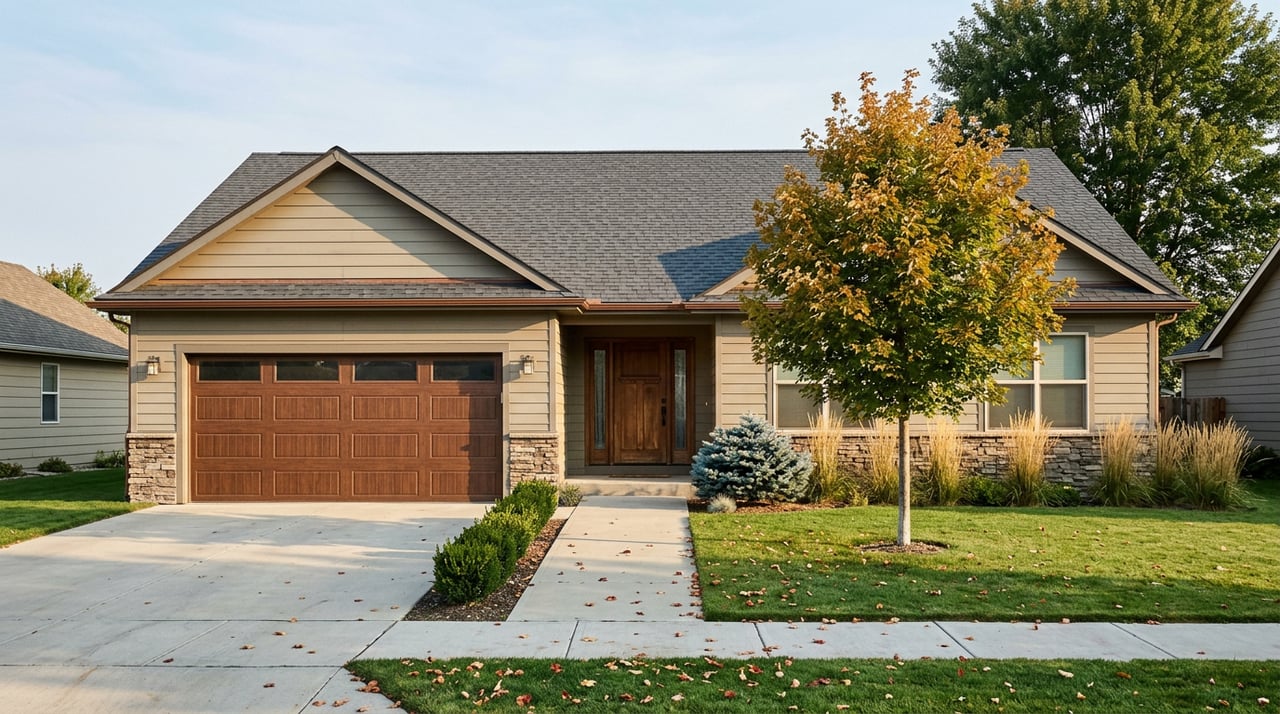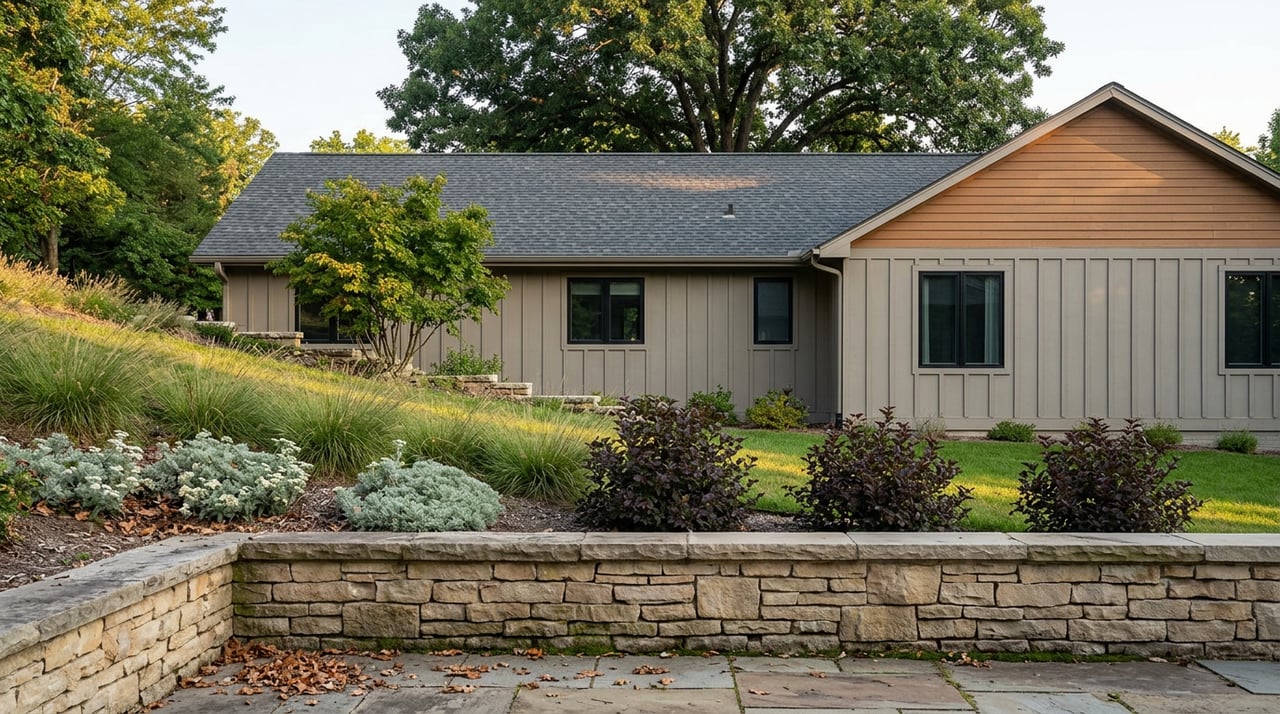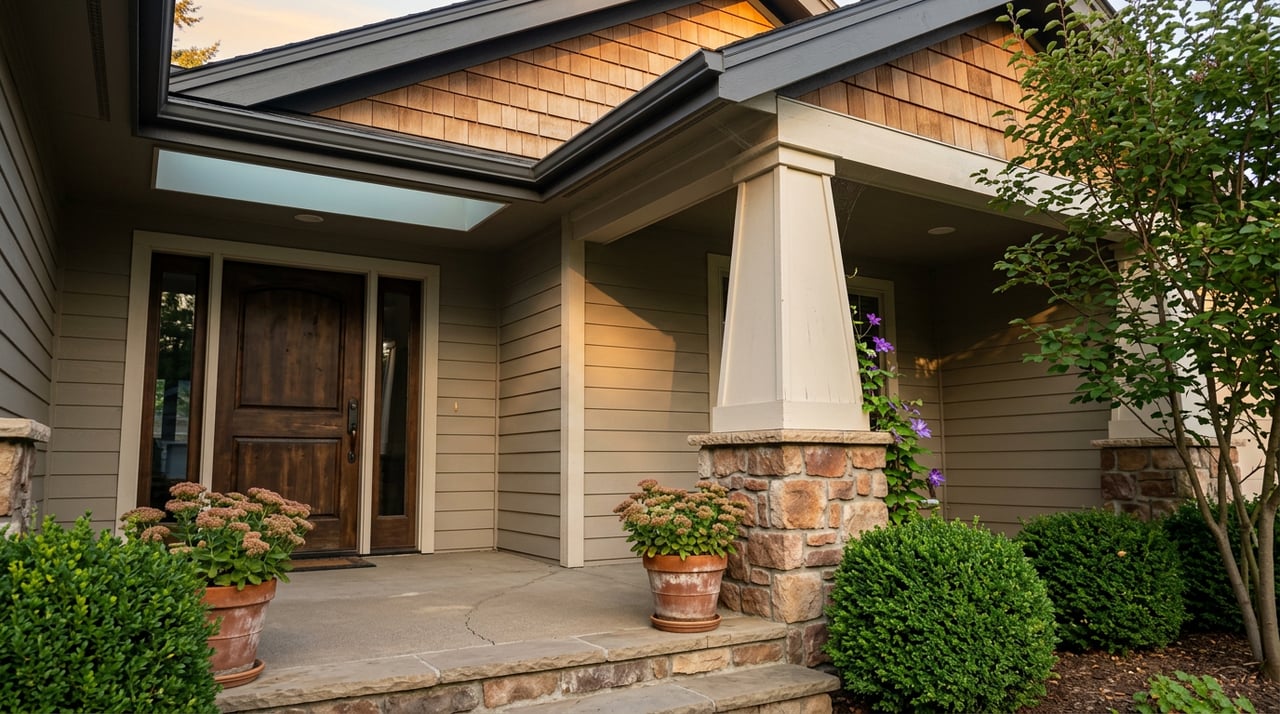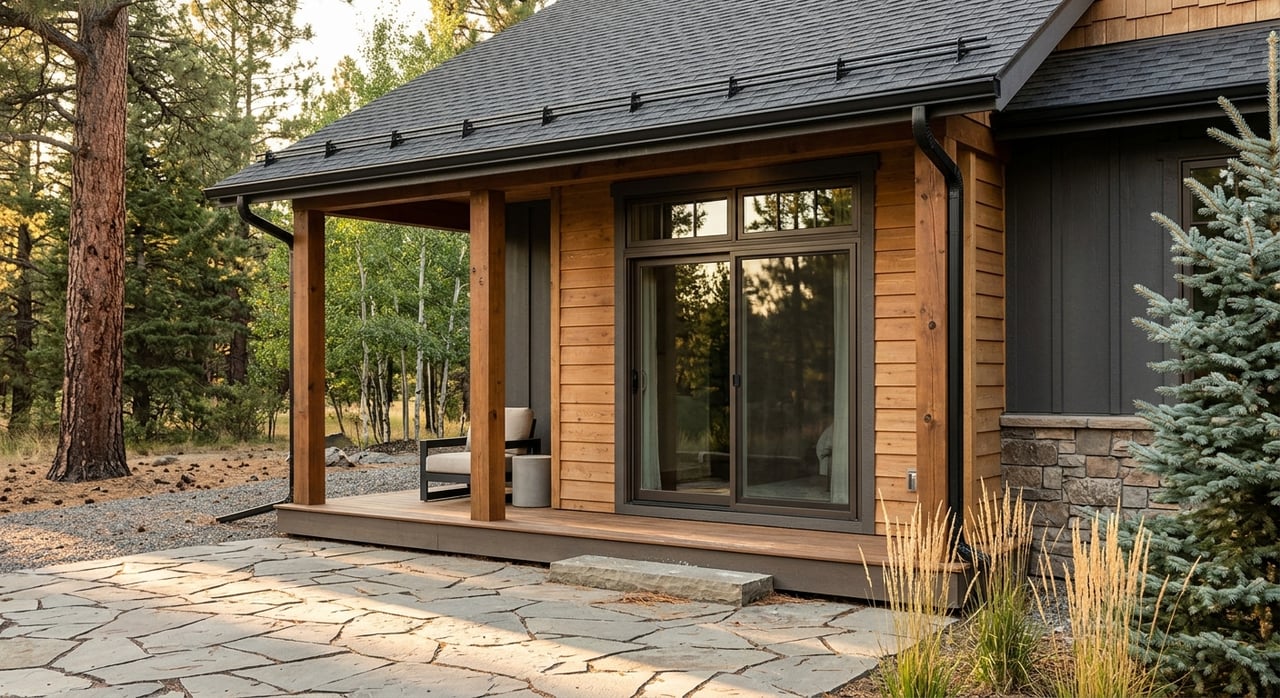
Dreaming about a mountain getaway that still feels connected to the Denver metro? Buying a second home in Evergreen can be exciting, but it comes with a different set of questions than buying in the city. You need to think beyond price and square footage to things like access, snowfall, wildfire planning, wells, and how your lender will classify the property. Let’s dive in.
Evergreen feels different from Denver
If you are picturing Evergreen as a simple extension of Denver, it helps to reset that expectation early. Evergreen is a census-designated place in Jefferson County, not Clear Creek County, and it has a much smaller footprint and a more mountain-residential feel.
That smaller scale shapes everyday ownership. The Census reported 9,307 residents in Evergreen in 2020, compared with 715,522 in Denver. Jefferson County’s Evergreen Area Plan also describes the area as a low-density suburban to rural mountain community with large open space and a character that is intentionally different from a denser urban setting.
For a second-home buyer, that means your experience may feel more like owning a retreat than owning a pied-à-terre near city services. The county plan notes that many residents commute outside the area and that secondary commercial needs are often met elsewhere. In practical terms, you may trade convenience for privacy, scenery, and breathing room.
Evergreen home values require a clear budget
Evergreen’s market position is one of the first things to understand before you shop. Research notes show Evergreen remained a very competitive market in March 2026, with a median sale price of $995,000 and homes selling in about 25 days. By comparison, Denver city was reported at $630,000 with about 44 days on market.
That gap matters if you are planning to finance a second home based on assumptions from a primary-home purchase in the metro area. Evergreen also has a much higher owner-occupied housing rate and a higher median owner-occupied home value than Denver, which supports the idea that you are entering a distinct market segment.
A clear budget should include more than your target purchase price. Closing costs typically run about 2% to 5% of the purchase price, according to the CFPB. If you put down less than 20% on a conventional loan, you will also typically pay mortgage insurance.
Second-home financing has stricter rules
Many buyers are surprised to learn that a second-home loan is not always underwritten the same way as a loan for your primary residence. Current conventional guidance is generally more conservative. Freddie Mac’s guide lists second-home loans at a maximum 90% loan-to-value ratio.
That means you may not need 20% down, but you should not assume the most flexible terms you have seen for primary-home buyers will apply here. Your cash-to-close could be higher than expected once you account for down payment, closing costs, reserves, and possible mortgage insurance.
It is also important to be honest about how you plan to use the property. Fannie Mae treats second homes separately from investment properties and states that a second home cannot be rental property or a timeshare arrangement. If you expect substantial rental use, confirm your intended use with your lender before you build your financing plan around second-home terms.
Seasonal ownership means planning for snow
Evergreen ownership comes with real seasonal responsibilities. NOAA climate normals show the Evergreen station at 6,985 feet elevation with annual snowfall of 80.8 inches. For comparison, the Denver-Stapleton station is at 5,286 feet with annual snowfall of 49.0 inches.
That difference gives you a practical preview of ownership. A second home in Evergreen may need more frequent snow removal, more attention to roof conditions, and stronger freeze-protection planning than a comparable property in Denver.
If the home will sit empty for stretches of time, winterization matters even more. Colorado’s Division of Insurance advises homeowners to ask about roof materials and to keep the home warm enough to avoid freezing-pipe and water-damage claims. Before you buy, think through who will check on the property, how snow will be handled, and what systems need regular monitoring.
Wildfire due diligence should happen early
Wildfire risk is not a side note in Evergreen. Jefferson County’s wildfire commission says the county ranks number one in Colorado for the number of homes in high and extreme wildfire-risk areas, and Evergreen is among the highest-risk areas named in the research.
That does not mean you should rule out the area. It does mean you should treat wildfire due diligence as part of your early home search, not something to revisit after closing.
As you evaluate a property, ask about defensible space, roof materials, and insurance options. Colorado’s Division of Insurance also recommends reviewing rebuild cost, deductible levels, additional living expenses coverage, water-backup coverage, and service-line coverage.
Seasonal owners should also plan for time away from the home. Colorado notes that wildfire season is typically May through September, and wildfire risk and smoke can affect residents throughout the year. Before each visit, it is wise to check alerts, smoke conditions, and evacuation routes.
Wells, septic, and water matter in foothills homes
Not every second-home buyer is prepared for the utility differences that can come with a mountain property. In parts of Jefferson County, a substantial number of homes receive water from private wells. County and state guidance notes that private wells are not regulated under the Safe Drinking Water Act, homeowners are responsible for maintenance, and well water should be tested at least annually.
That makes water a due-diligence issue, not just a lifestyle detail. If a property has a private well, you will want to understand testing history, maintenance responsibilities, and any practical limitations before closing.
Jefferson County guidance also points buyers toward septic and OWTS considerations. If you are comparing homes, do not treat a well-and-septic property the same way you would treat a fully serviced in-town home. These systems can affect maintenance, inspections, and your long-term ownership plan.
Access and travel can shape your decision
A second home should fit the way you actually plan to use it. Jefferson County’s Evergreen Area Plan says the area’s limited road network funnels traffic onto SH 74, Evergreen Parkway, JC 73, and I-70. That makes access an important part of property selection.
If you plan to use the home for weekends, holidays, or longer seasonal stays, travel logistics deserve real attention. Think about winter road conditions, drive times, contractor access, deliveries, and how easily friends or family can reach the property.
This is especially important if you are comparing homes in different parts of the Evergreen area. A home that feels perfect in photos may work very differently in practice depending on roads, slope, and ease of year-round access.
What smart buyers do before making an offer
The strongest second-home buyers in Evergreen usually prepare for mountain ownership before they fall in love with a listing. That helps you move quickly in a competitive market without skipping the details that matter.
Here is a practical checklist to use early in your search:
- Confirm that the home is in Evergreen, Jefferson County
- Review your financing with a lender who understands second-home guidelines
- Budget for down payment, closing costs, and possible mortgage insurance
- Ask whether your intended use fits second-home loan rules
- Check snow exposure, roof condition, and freeze-protection needs
- Review wildfire risk, defensible space, and insurance options
- Ask whether the property uses a private well, septic, or OWTS
- Consider drive times, road access, and winter travel logistics
Why local guidance matters in Evergreen
Buying a second home in Evergreen is rarely just about finding a pretty mountain house. You are balancing lifestyle goals with financing, seasonal care, infrastructure, and local risk factors that can affect both cost and peace of mind.
That is where neighborhood-level guidance can make a real difference. When you understand how Evergreen’s market, property types, and ownership realities differ from Denver, you can make a more confident decision and avoid expensive surprises.
If you are considering a second home in Evergreen and want a local, high-touch approach to the search, Trish Kelly can help you evaluate the market, compare options, and plan with clarity.
FAQs
Is Evergreen in Clear Creek County or Jefferson County?
- Evergreen is in Jefferson County, not Clear Creek County.
Do Evergreen second-home buyers need 20% down?
- Not always, but second-home lending is generally stricter than many primary-home loans, and down payments under 20% on conventional financing typically involve mortgage insurance.
Does a second home in Evergreen usually need winterization?
- In many cases, yes. Evergreen has significantly more annual snowfall than Denver, so snow management and freeze protection are important parts of ownership planning.
Should Evergreen buyers ask about wells and septic before closing?
- Yes. In parts of Jefferson County, homes may rely on private wells and septic or OWTS systems, which should be reviewed early in your due diligence.
Why is wildfire planning important for Evergreen homes?
- Jefferson County identifies Evergreen as one of its higher-risk wildfire areas, so buyers should review defensible space, roof materials, insurance coverage, and evacuation planning early in the process.