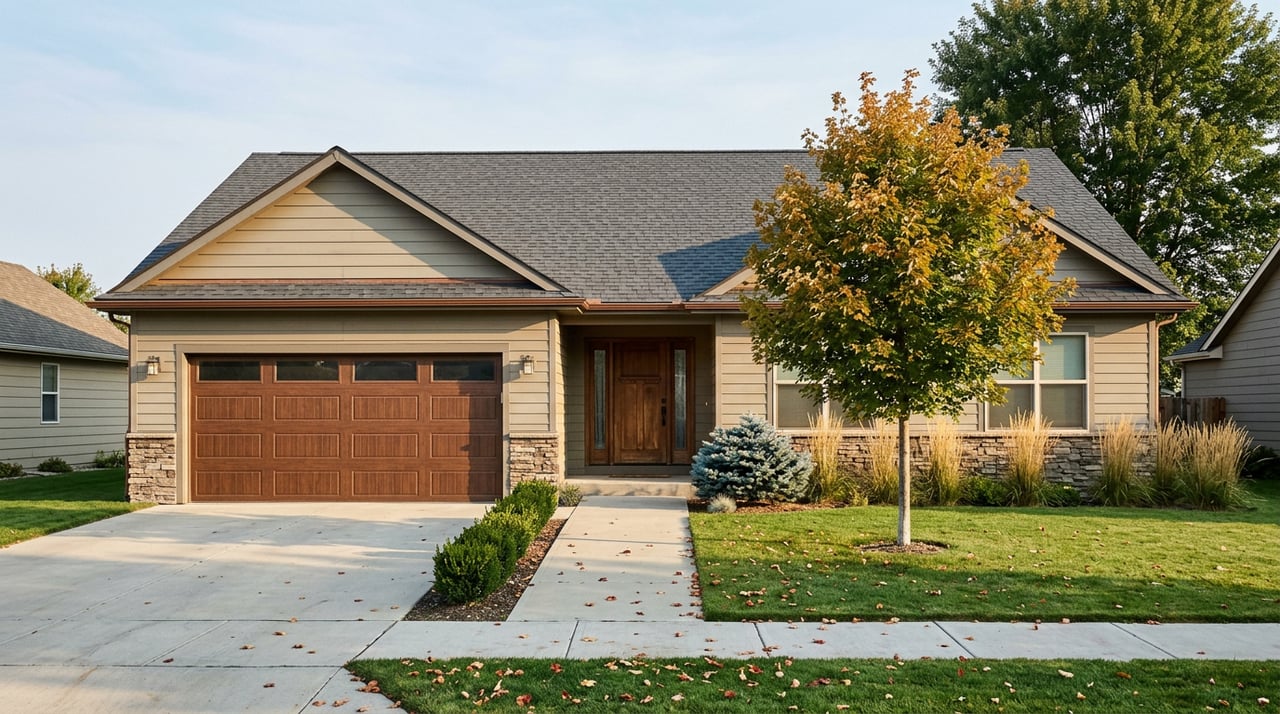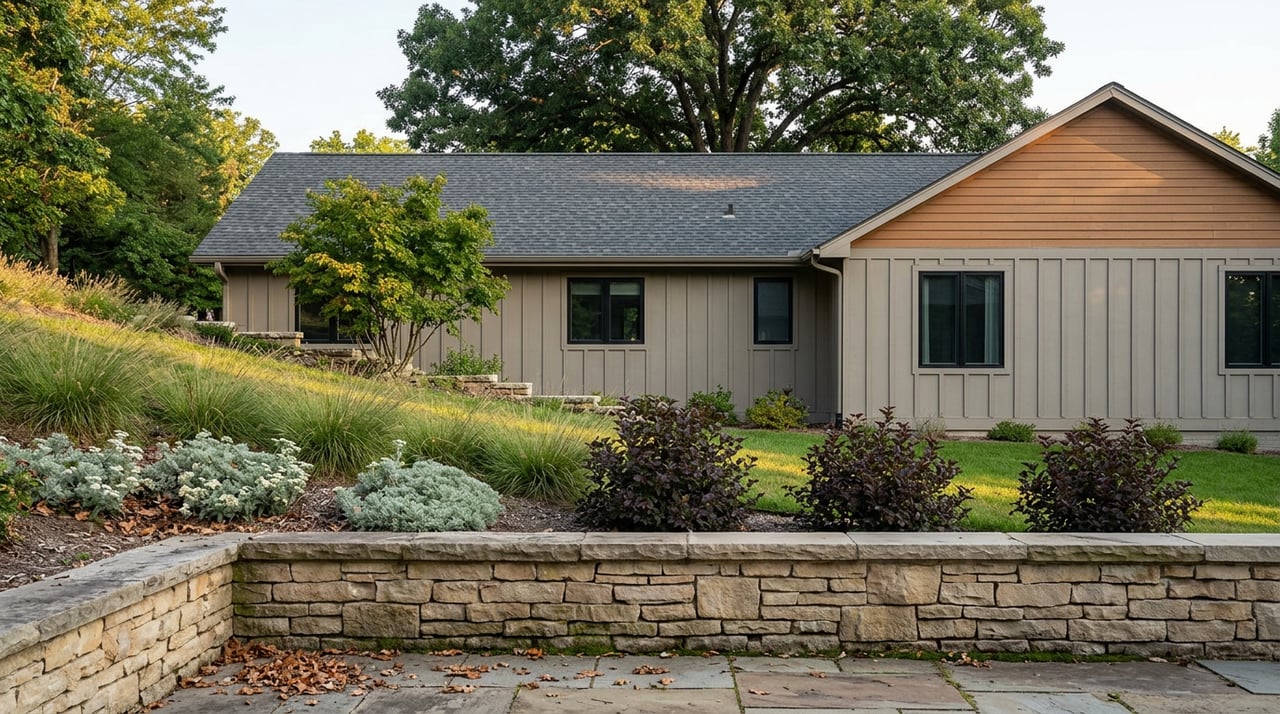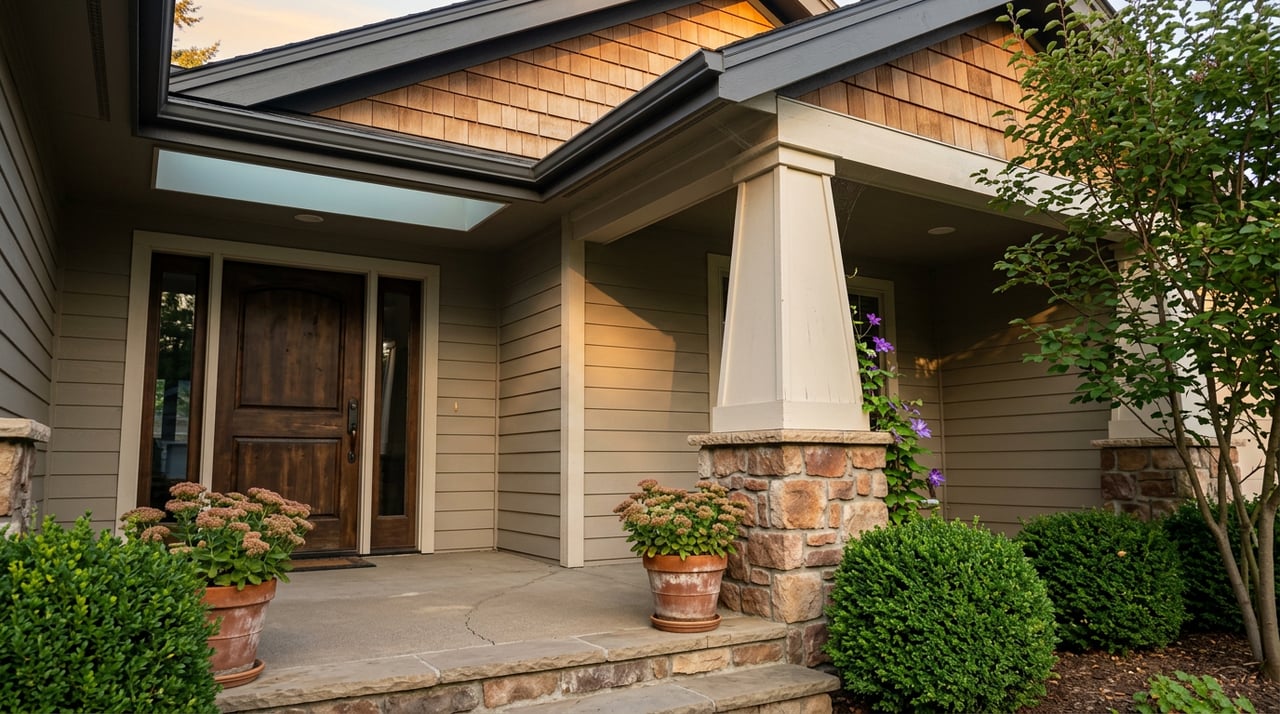
Thinking about buying a brand-new home in Wheat Ridge? You are not alone, and you are also right to slow down and look closely. New construction and infill homes can offer modern layouts, newer systems, and lower near-term maintenance, but they often come with more moving parts than a resale home. This guide will help you understand how new construction works in Wheat Ridge, what makes infill different here, and which questions can protect your budget and timeline. Let’s dive in.
Why Wheat Ridge Has So Much Infill
Wheat Ridge has an older housing base, which helps explain why new construction and infill stand out in the market. The city has said that nearly 80% of single-family homes were built between 1940 and 1979, while only 12% were built in 1980 or later as of 2016. Over the last decade, Wheat Ridge has also diversified its housing stock with detached homes, small-lot homes, townhomes, duplexes, and apartments.
For you as a buyer, that means new homes in Wheat Ridge often appear in pockets rather than in one large master-planned area. You may see a new build on a scraped lot, a small cluster of townhomes, or a planned redevelopment near a major corridor. That variety can create great options, but it also means one project may operate very differently from the next.
How Infill Homes Differ From Tract New Builds
Infill homes are often more lot-specific than homes in a large suburban subdivision. In Wheat Ridge, all property is zoned, and zoning controls things like setbacks, height, and allowed uses. The city also notes that its zoning map can lag recent rezonings, so parcel-level verification matters.
That can affect what you are really buying. A home on one lot may sit in a straight residential zone with fewer design controls for single-unit or duplex homes, while another may be part of a planned development with more specific site, elevation, and design rules. In other words, two new homes that look similar online may come with very different approval histories, lot layouts, and long-term context.
Where New Development Is Concentrated
Some of Wheat Ridge’s active redevelopment and planning areas include Wadsworth, 38th Avenue, West 44th/Ward Road, I-70/Kipling, Clearvale, and Lutheran Legacy. The city’s planning work also highlights station areas and transit-oriented development, especially near Ward Station, where a mix of housing, jobs, and transportation choices is part of the long-term vision.
If you are considering a townhome, duplex, or attached home near transit, that context matters. It can help explain why density, parking, or surrounding land use may feel different from an older single-family block nearby. It also makes it smart to ask what else is planned around the property, not just what is standing there today.
Understand Wheat Ridge Approval Timelines
A building permit is required for new construction in Wheat Ridge, and permits have been submitted and managed through OpenGov since January 2025. The city says review can range from two to six weeks depending on the project scope, with residential plan review taking up to four weeks. The city does not offer expedited review.
That is important if you are buying a home that is not yet complete. Builder timelines often depend on city review, outside district review, inspections, and final approvals. Even if a home looks close to done, paperwork and infrastructure items can still affect the closing date.
Special districts can affect the schedule
Wheat Ridge is a limited-service city, so services such as water, fire, sanitation, trash, and utilities are handled by special districts rather than the city itself. Certain permits require proof that the project was submitted to the relevant fire, water, and sanitation districts for review. The city also refers some submittals to outside agencies such as Xcel Energy, water districts, and fire districts, generally for a 15-day review window.
For buyers, this means a builder may be coordinating with more parties than you would expect in a typical resale transaction. Delays are not always about the house itself. Sometimes they come from utility, district, or site-readiness steps happening behind the scenes.
Site conditions matter on infill lots
Infill lots can come with extra technical requirements. Wheat Ridge requires a signed and sealed foundation setback and elevation certification when a new residential structure is within two feet of the minimum setback or when the project is in a regulated floodplain.
The city also says approved water supply must be in place before combustible materials are delivered. Emergency access and fire hydrants must be installed before vertical construction, and a 25-foot hard-surface driveway connection to the public roadway is required. These details may not show up in a listing description, but they can affect build progress and final punch-list timing.
Ask Smart Questions About Pricing
New construction pricing in Wheat Ridge can include more than the base purchase price. The city says permit fees are based on valuation, parkland fees are required for any new residential dwelling unit, and other fees such as engineering review or fee-in-lieu items may apply.
You may also run into metro district costs in some communities. Wheat Ridge explains that metro districts commonly finance roads and utility infrastructure and can result in higher property taxes, while also coexisting with an HOA. That is why it is important to ask for a full monthly cost picture, not just the mortgage estimate.
Questions worth asking the builder
Before you commit, ask clear questions about both the home and the community:
- What is included in the base price?
- Which upgrades cost extra?
- Can you add or change decks, basements, appliances, or finishes?
- Are landscaping and fencing included?
- Is there an HOA, and what do dues cover?
- Is there a metro district?
- What are the estimated property taxes?
- Are there restrictive covenants?
- Are there major development plans nearby?
- What fees are due before closing?
These questions are especially useful in Wheat Ridge because lot-specific zoning, corridor planning, and redevelopment can shape both the property and the area around it.
Protect Yourself in the Contract
If you are buying a new build, keep your protections in place. Consumer guidance recommends making the purchase offer and sales contract contingent on financing and a satisfactory inspection. That matters whether the home is finished, almost finished, or still on paper.
Builders may also ask for an upfront builder deposit or earnest money. If that happens, ask exactly when the deposit is refundable and under what conditions. You do not want to learn too late that your deposit becomes nonrefundable before key milestones are met.
Preapproval helps, but it is not forever
A preapproval letter can be important early in the process, especially when a builder wants proof that you are likely to close later. At the same time, preapproval is not a guaranteed loan offer, often expires in 30 to 60 days, and does not lock you into that lender.
That matters because some new construction timelines stretch for months. If you are buying a home before completion, plan for your lender paperwork to be updated along the way. You should also remember that you do not have to use a builder’s affiliated lender if better terms are available elsewhere.
Never Skip an Independent Inspection
A brand-new home is still a home under construction, built by people, on a site with variables. That is why an independent inspection remains one of your best protections. Guidance for buyers recommends hiring your own home inspector and scheduling the inspection early enough to resolve issues before closing.
If your contract includes an inspection contingency, you may be able to cancel without penalty if serious flaws are found. That contingency can matter just as much on a new build as it does on an older home.
Read the Warranty Carefully
Most newly built homes come with a builder warranty, but the details matter. A builder warranty usually covers permanent parts of the home, while a separate home warranty is a service contract that may cost extra. Many builder warranties follow a rough one-year, two-year, and ten-year structure for workmanship, systems, and major structural defects.
You should also ask how claims are handled. Some builder warranties require mediation or arbitration, and arbitration can be expensive. Before you close, ask what is excluded, how long coverage lasts, how claims are submitted, and whether items like appliances or cosmetic cracking are covered.
Check Licenses, HOAs, and Public Records
Due diligence is especially important with smaller infill projects. Colorado guidance recommends checking that the professionals involved are properly licensed, and Wheat Ridge requires contractor licenses or registrations for work done for compensation on private property. That makes license verification a practical step when you are evaluating a builder or contractor team.
If the home is in an HOA, review the governing documents, look for special assessments, check for signs of deferred maintenance in common areas, and ask about dues trends. In Wheat Ridge, you can also review permit and inspection history by address through the city’s records systems, including OpenGov for 2025 and later records.
A Simple Buying Strategy for Wheat Ridge New Builds
Buying new construction or infill in Wheat Ridge usually works best when you stay focused on five things:
- Verify the parcel details. Confirm zoning, development type, and whether the property sits in a planned development or active redevelopment area.
- Get the full cost picture. Ask about upgrades, HOA dues, metro district taxes, and other recurring costs.
- Expect timeline movement. District reviews, permits, site conditions, and final approvals can all affect closing.
- Keep your protections. Use financing and inspection contingencies when available, and clarify deposit refund rules.
- Review the paperwork closely. Read the warranty, HOA documents, and builder disclosures before you commit.
Wheat Ridge can be a great place to buy a newer home if you like a central location, a mix of housing types, and the character that comes from an established city. The key is knowing that new construction here is often highly specific to the lot, the builder, and the approval path.
If you want help comparing a new construction home to an infill resale alternative, or sorting through the real monthly cost of a Wheat Ridge property, Trish Kelly can help you evaluate your options with local insight and high-touch guidance.
FAQs
What makes Wheat Ridge infill homes different from new homes in large subdivisions?
- Wheat Ridge infill homes are often shaped by lot-specific zoning, setbacks, design rules, district reviews, and redevelopment context, so each project can differ more from the next than homes in a large tract community.
How long does new construction permitting take in Wheat Ridge?
- Wheat Ridge says permit review can range from two to six weeks depending on scope, with residential plan review taking up to four weeks, and there is no expedited review.
What extra costs should you ask about when buying a new construction home in Wheat Ridge?
- Ask about upgrade charges, HOA dues, metro district taxes, permit-related costs reflected in pricing, landscaping, and any other fees due before closing.
Should you get an inspection on a brand-new Wheat Ridge home?
- Yes. An independent inspection is still a key buyer protection on a new build, especially if your contract includes an inspection contingency.
What should you review if a Wheat Ridge new build is in an HOA?
- Review the CC&Rs, ask about dues and special assessments, check for deferred maintenance in common areas, and confirm the HOA’s registration status.
Why can a Wheat Ridge new construction closing date move?
- Closing dates can shift because of permit timing, district reviews, site-readiness requirements, inspections, and final infrastructure items that must be completed before the home is ready to close.