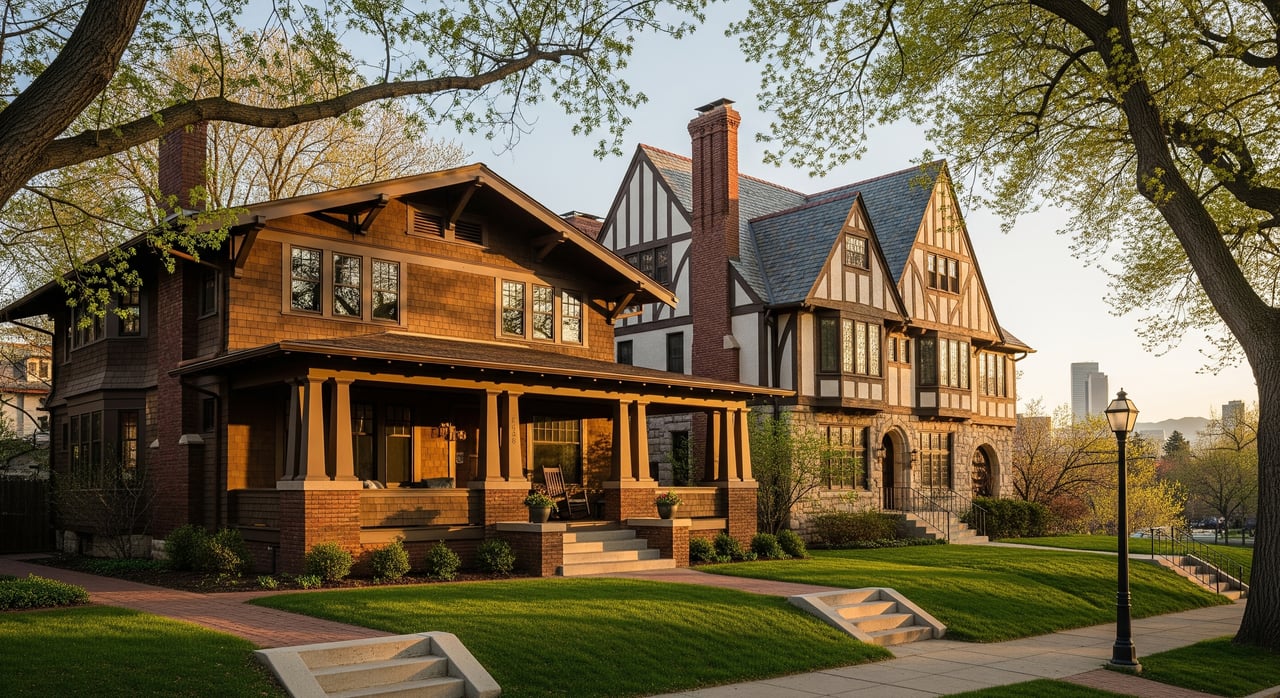
If you love tree-lined streets, front porches, and classic Denver character, Congress Park and the nearby 7th Avenue Historic District deliver in spades. You want a home that fits your life today and will age well tomorrow. This guide walks you through the neighborhood’s most common home styles, what their floor plans feel like, the upgrades to expect, and what to know if the home sits in a historic district. Let’s dive in.
Congress Park architecture at a glance
Congress Park and the 7th Avenue Historic District are rich with early-20th-century homes. You’ll see Denver Squares, Bungalows/Craftsmans, Tudor Revivals, and other period cottages, plus tasteful modern infill. Many homes retain original hardwood floors, plaster walls, built-ins, and classic porches.
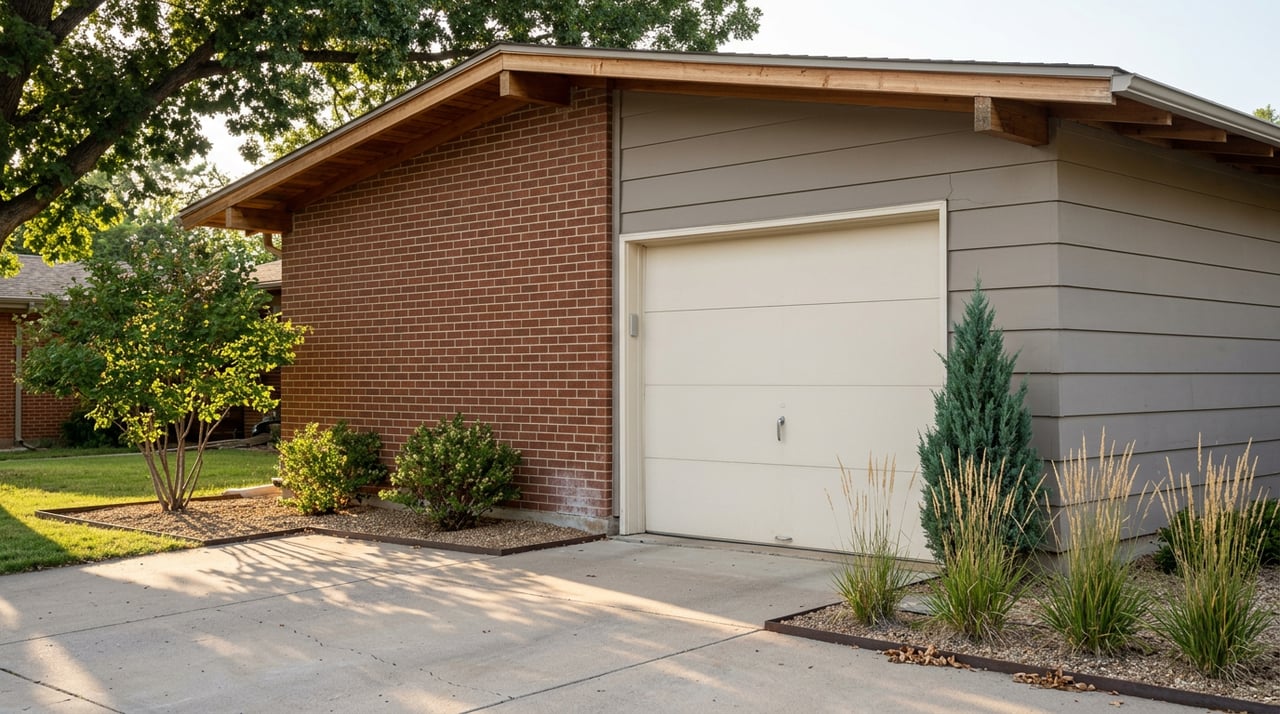
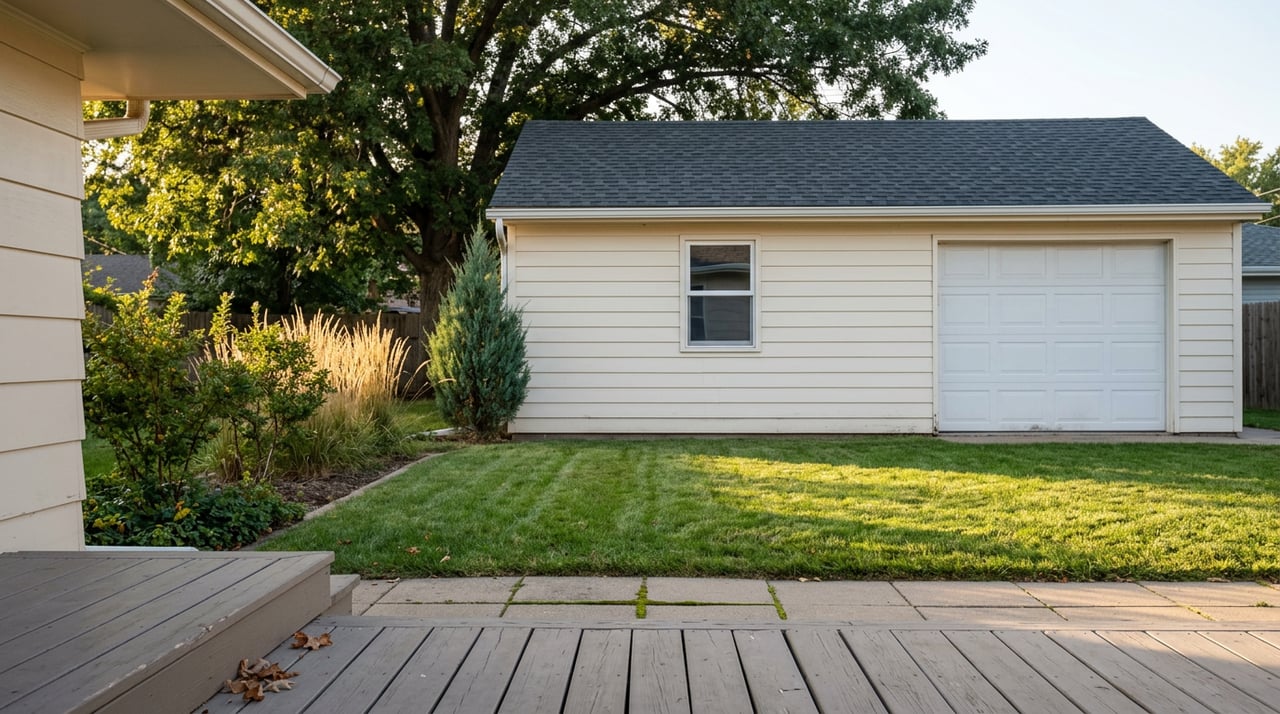
Lots are urban and moderate in size. Garages are often detached off the alley. You’ll find both lovingly preserved homes and updated properties that blend historic character with modern systems.
Denver Square: layout and features
- Era: early 1900s to 1920s.
- Look: two full stories with a square footprint, low-pitched hipped roof, and a wide front porch.
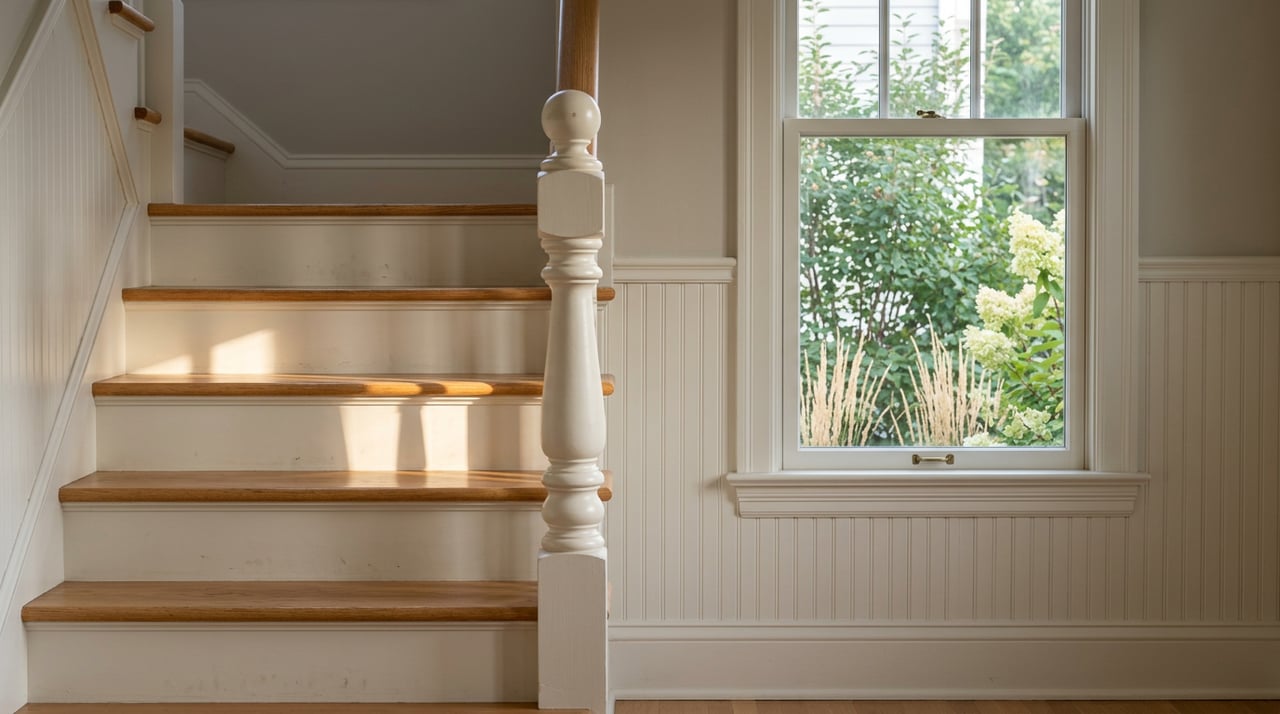
- Inside: high ceilings, original wood trim, and boxy but bright rooms.
What to expect day to day:
- Layout: main floor often has a living room, formal dining, a front parlor or den, and kitchen at the rear. Upstairs you’ll commonly find 3 to 4 bedrooms and one full bath.
- Size: roughly 1,800 to 3,000+ square feet, depending on lot and prior remodels.
- Function: more defined rooms rather than open-concept. Attics are sometimes unfinished; basements handle storage and utilities.
Buyer fit and trade-offs:
- Great for those who value historic charm and formal spaces.
- Expect potential electrical, plumbing, and HVAC updates in older examples.
Bungalow and Craftsman essentials
- Era: 1910s to 1930s.
- Look: 1 to 1½ stories, low-pitched gable roof, wide eaves with exposed rafters or brackets, and a broad front porch with tapered columns.
- Inside: open living/dining flow and built-in cabinetry.
What to expect day to day:
- Layout: main level living with 2 to 3 bedrooms and the kitchen toward the back. Many have a usable attic or a finished basement.
- Size: commonly 900 to 1,600 square feet.
- Function: efficient footprints and one-level living that simplifies daily life.
Buyer fit and trade-offs:
- Ideal if you prefer fewer stairs and cozy spaces.
- Storage can be tighter unless the basement is finished.
Tudor Revival highlights
- Era: 1920s to 1930s.
- Look: steep cross gables, decorative half-timbering or brick/stone, tall narrow windows, arched entries, and a prominent chimney.
- Inside: plaster walls, wood paneling, fireplaces, and rich detail.
What to expect day to day:
- Layout: formal living and dining rooms with modest kitchens that are often updated; 2 to 4 bedrooms upstairs.
- Size: commonly 1,500 to 2,500 square feet.
- Function: character-rich, compartmentalized rooms that feel warm and grounded.
Buyer fit and trade-offs:
- Perfect for character lovers who want a distinct exterior presence.
- Expect many kitchens and baths to have seen modern upgrades over time.
Other period revivals and cottages
You’ll also see Colonial Revival and other period-inspired cottages. These tend to be smaller, with symmetrical facades and classical details. Interiors vary, but most offer traditional room layouts and cozy proportions.
Modern infill and remodels
Newer builds and substantial remodels appear throughout the area. Inside, you can expect open main levels, larger kitchens with islands, and more bathrooms. Many include main-floor or upstairs suites with en-suite baths and often an attached or more accessible garage.
Buyer fit and trade-offs:
- Great for buyers who want modern systems and turnkey convenience.
- Some original character may be reduced compared to intact historic homes.
Floor plan and size expectations
- Denver Square: formal living/dining, central stair, 3 to 4 bedrooms up, often one full bath upstairs; 1,800 to 3,000+ square feet.
- Bungalow/Craftsman: open living/dining, 2 to 3 bedrooms on the main; 900 to 1,600 square feet; basements commonly add flexible space.
- Tudor/Period Revivals: formal rooms, 2 to 4 bedrooms; 1,500 to 2,500 square feet.
- Modern infill: open concepts, larger kitchens, additional baths, and more conditioned space.
Renovation and maintenance basics
Older Congress Park homes are durable, but age brings predictable projects. Plan your budget and timeline with these in mind.
Systems: plumbing and electrical
Many homes have had partial or full upgrades. Galvanized plumbing, cast-iron stacks, or early wiring can still show up. Add time for a licensed plumbing and electrical evaluation during due diligence.
Insulation and energy efficiency
Original walls often lack insulation, and windows may be single-pane wood. Options include adding insulation, installing storm windows, upgrading HVAC, or replacing windows. In a historic district, visible window changes can require review.
Foundations and soils
Local soils and freeze-thaw cycles can cause settling. If you see stair-step cracks, sticking doors, or out-of-square windows, include a structural inspection. Foundation repairs are not uncommon in older Denver homes.
Woodwork, plaster, and finishes
Plaster-and-lath walls are common. Repairs or drywall replacements may accompany system upgrades. Original hardwood floors are a major plus when in good condition.
Lead paint and asbestos considerations
Homes built before 1978 may contain lead-based paint. Asbestos can appear in older insulation, floor tiles, or pipe wrap. If your project will disturb materials, follow established safety guidance and consult qualified abatement professionals.
Typical renovation priorities
- Kitchens and baths: often the first updates; many buyers open the kitchen to living spaces when layout allows.
- System upgrades: electrical service, plumbing, HVAC, and adding air conditioning if not present.
- Basement finishing: popular for extra living space; manage moisture and egress.
- Window choices: restore original wood windows with storms or replace for performance, keeping historic review in mind.
- Additions and dormers: can add bedrooms or expand kitchens, subject to zoning and any required review.
Costs and timelines
Expect at least light cosmetic work in most historic homes. Systems and structural needs can increase scope and extend timelines. Gather contractor bids and keep a contingency reserve for surprises common in older houses.
Historic district rules and permits
If the home is within the 7th Avenue Historic District or is locally designated, exterior changes visible from the street typically need review and a Certificate of Appropriateness. Review commonly covers demolition, additions, new construction, and significant exterior alterations. Interior changes are usually not regulated.
Plan ahead for permits tied to structural changes, window replacements, new garages or driveways, and major porch or roofline work. If you are buying with projects in mind, speak with local preservation staff early to understand feasibility and process. Programs that offer incentives can change over time, so check with city and state preservation offices for current options.
Match home styles to lifestyle
- Historic charm and formal rooms
- Best fits: Denver Squares, Tudors, and other period revivals.
- Trade-offs: more compartmentalized layouts and possible exterior review.
- Single-level living and simplicity
- Best fits: Bungalows and some remodeled homes with main-floor suites.
- Trade-offs: smaller footprint unless you finish the basement.
- Turnkey efficiency and parking
- Best fits: modern infill or thoughtfully renovated historic homes.
- Trade-offs: fewer original details and a higher price for extensive upgrades.
- Outdoor space and storage
- Expect modest urban yards and alley-access garages; plan for creative storage solutions.
Buying checklist for Congress Park
- Get a full home inspection and add specialists as needed: structural, HVAC/boiler, sewer, and environmental testing if you plan to disturb older materials.
- Verify whether the property is in a local historic district and clarify what exterior changes require review.
- Request documentation for past permits and system upgrades.
- Price out your near-term projects: kitchen, baths, HVAC, windows, and basement moisture control.
- Consider renovation-friendly financing options with lenders familiar with older homes.
A home in Congress Park or the 7th Avenue Historic District can be a wonderful blend of character and comfort. With the right plan, you can preserve what makes these homes special while making smart updates for daily living. If you want a local partner to help you target the right style, evaluate upgrades, and uncover off-market opportunities, connect with Trish Kelly for a free, no-pressure consultation.
FAQs
Are Congress Park homes mostly historic styles?
- Yes. You’ll commonly see Denver Squares, Bungalows/Craftsmans, and Tudor Revivals, plus other period cottages and some modern infill.
What layouts are typical in a Denver Square?
- Expect formal living and dining rooms on the main level and 3 to 4 bedrooms with a full bath upstairs, often with a basement for storage.
Are exterior changes restricted in the 7th Ave Historic District?
- Exterior work visible from the street typically requires review and a Certificate of Appropriateness, while interior changes are usually not regulated.
Should I plan for system upgrades in older homes?
- Often yes. Plumbing, electrical, and HVAC updates are common projects; include licensed evaluations during your inspection period.
How can I add space to a bungalow?
- Many buyers finish the basement or add dormers or an addition, subject to zoning and any required historic review.