If you picture Denver living with morning runs around a lake, coffee a few blocks away, and homes full of character, buying near Washington Park probably feels high on your list. You are not alone. Many buyers are drawn to the area for its blend of outdoor recreation, historic housing, and everyday convenience, but the market can shift a lot from one block to the next. This guide will help you understand the lifestyle, housing mix, and trade-offs so you can shop with more clarity and confidence. Let’s dive in.
Why buyers love Washington Park
Washington Park is the anchor for the whole area, and it shapes daily life in a big way. According to Denver Public Library, the park includes two lakes, the largest meadow in Denver’s park system, mature trees, formal flower beds, and the historic 1913 Boathouse on Smith Lake.
That setting supports a very active lifestyle. Visit Denver describes the area as a hub for walking, jogging, biking, paddle boating, yoga, tennis, and volleyball, which helps explain why so many buyers see this neighborhood as more than just a place to live.
The appeal goes beyond the park itself. South Pearl Street and Historic South Gaylord Street add dining, coffee, shopping, and everyday errands nearby, giving the area a strong live-near-what-you-use feel.
Washington Park is not one market
One of the biggest mistakes buyers make is treating Washington Park like a single, uniform neighborhood. In reality, your experience can change a lot depending on whether you are focused on park-adjacent blocks, east-side historic sections, west-side homes, or newer infill properties.
Washington Park East has officially defined boundaries from Alameda Avenue to the north, I-25 to the south, University Boulevard to the east, and Franklin Street to the west. Denver planning materials also treat Washington Park West as a separate statistical neighborhood, which matters because pricing, lot patterns, and housing options can differ.
This means your search should be block by block, not just ZIP code by ZIP code. A home that looks close on the map may offer a very different lot layout, street feel, or access point than another home just a few minutes away.
Lifestyle first: define your daily routine
Before you focus on square footage or finishes, think about how you want to live here. If you plan to use the park several times a week for walks, runs, tennis, or time by the water, being closer to the park may be worth paying more for.
If your routine is more about coffee shops, dining, and errands, access to South Pearl Street or Historic South Gaylord Street may matter just as much. For some buyers, that balance is what makes the area feel complete.
Transit can also be part of the lifestyle equation. RTD’s E Line serves both Louisiana–Pearl and University of Denver stations, giving the south side of the neighborhood direct rail access to downtown and the southeast corridor.
What the housing stock looks like
Washington Park’s residential character was shaped over time, especially from the 1890s through the 1920s. The area grew alongside streetcar service and early park development, which helps explain why many homes still reflect early 20th-century patterns and design.
Today, the housing mix includes preserved older homes, updated properties, and later infill or replacement construction. Denver Public Library notes, for example, that a house next to the 1913 Causey-Sterne House was built in 1999 on the same grounds, showing how old and new often sit side by side.
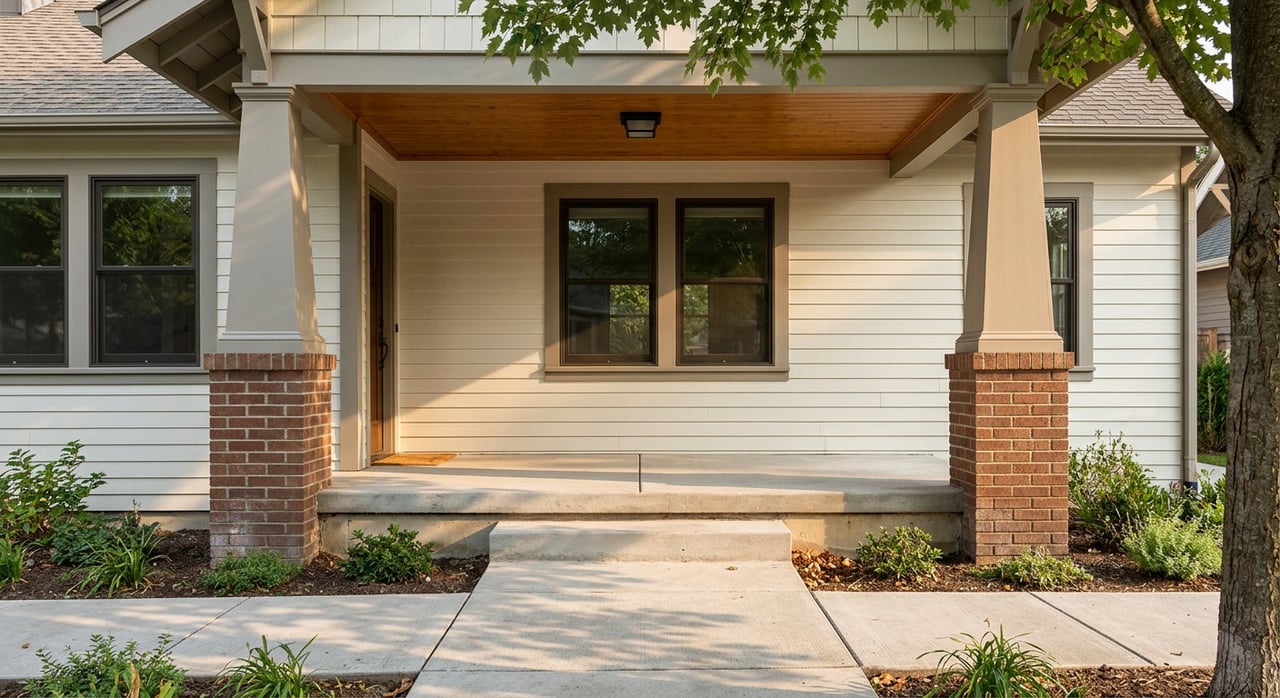
Current listings and recent sales show that classic bungalows are still part of the neighborhood identity. Buyers may also come across homes with features like alley-access garage parking, which can be an important functional detail in older Denver neighborhoods.
How lot patterns can affect your choice
Lot layout matters more here than many buyers expect. In some east-side historic blocks, lot patterns are especially consistent, with rectangular lots of about 70 by 115 feet, open front lawns, regular spacing, and mature trees, according to Historic Denver’s East Park Place district documentation.
That kind of layout can influence curb appeal, yard depth, setbacks, and how private or open a home feels from the street. If outdoor space matters to you, it is worth paying close attention to the shape and placement of the house on the lot, not just the total lot size.
West-side blocks may present a different feel. A 2025 city rezoning report described parts of Washington Park West as having regular lot sizes without alleys, which may appeal to buyers who want a simpler lot pattern or different garage access setup.
What the market says right now
Washington Park remains a competitive place to buy. Over the three months ending May 2026, the median sale price in Washington Park was $1,409,526, homes sold in a median of 15 days, and the neighborhood was described as very competitive.
Washington Park West offered a different price point during that same period. Its median sale price was $941,683, homes sold in a median of 10 days, and it was also very competitive.
That east-west spread matters. It shows that buyers who want a Washington Park lifestyle may have more than one entry path, depending on how flexible they are about exact location, home age, and proximity to the park.
Price range is wider than many buyers think
Some buyers assume the area is made up only of high-end detached homes, but recent Washington Park West sales suggest a broader mix. Reported sales ranged from a $543,000 one-bedroom condo to a $2.71 million five-bedroom house.
That range is useful if you want the neighborhood’s energy without committing to the highest price tier. It also means your home search can be more strategic if you are open to different property types.
Condos, older homes, renovated properties, and newer builds can each offer a different version of the lifestyle. The right choice depends on whether you are prioritizing location, maintenance level, space, or budget.
Older charm vs. newer convenience
One of the core trade-offs near Washington Park is character versus ease. Classic homes often bring architectural charm, mature landscaping, and a strong connection to the neighborhood’s history, but they may also come with more maintenance and older systems.
Newer or extensively updated homes can reduce some of that work and may offer more modern layouts. Infill and replacement construction also gives buyers more options if they want a move-in-ready feel in a well-established area.
Neither path is automatically better. The key is knowing which compromises you are comfortable making before you start competing for homes.
How to narrow your search wisely
If you want to shop smart near Washington Park, start by ranking your top priorities early. That can save time and help you move faster when a good match appears.
Consider these questions:
- Do you want to be as close to the park as possible?
- Are you open to Washington Park West for a lower median price point?
- Would you prefer an older bungalow or a newer home?
- Does alley-access garage parking matter to you?
- Is walkability to South Pearl Street or South Gaylord a bigger priority than direct park access?
- Do you want rail access from the south side of the neighborhood?
When you answer those questions upfront, the neighborhood starts to make more sense. You stop searching for the perfect version of Wash Park and start searching for the version that fits your life.
A practical buying strategy for Wash Park
Because competition is strong in both Washington Park and Washington Park West, preparation matters. You will likely do better if you understand your must-haves, know your price range, and stay realistic about trade-offs.
It also helps to watch micro-areas instead of waiting for one ideal listing to appear anywhere in the neighborhood. A slightly different block, lot style, or home type may deliver the same lifestyle benefits with a better overall fit.
For many buyers, flexibility is where the best opportunities show up. If you are willing to look beyond the most obvious park-adjacent homes, you may find stronger value in the broader area.
Buying near Washington Park is about more than finding a house. It is about matching your budget and priorities to a neighborhood where park life, historic character, and local retail all play a role. If you want help comparing blocks, spotting value, or hearing about insider opportunities in Denver neighborhoods, Trish Kelly can help you make a confident move.
FAQs
What is the lifestyle like near Washington Park in Denver?
- Washington Park offers a park-centered lifestyle with walking, jogging, biking, paddle boating, tennis, volleyball, and nearby dining and shopping around South Pearl Street and Historic South Gaylord Street.
What types of homes can you find near Washington Park?
- The area includes early-20th-century homes, classic bungalows, updated properties, condos, and newer infill or replacement construction.
How competitive is the Washington Park housing market?
- Over the three months ending May 2026, both Washington Park and Washington Park West were reported as very competitive, with median sale times of 15 days and 10 days respectively.
Is Washington Park West more affordable than Washington Park?
- Based on the reported median sale prices for the three months ending May 2026, Washington Park West had a lower median sale price than Washington Park.
What should buyers compare block by block near Washington Park?
- Buyers should compare park proximity, lot depth, garage access, housing age, renovation level, retail access, and transit convenience because those features can vary noticeably across the area.
Is transit access available near Washington Park?
- Yes. RTD’s E Line serves the Louisiana–Pearl and University of Denver stations, which gives the south side of the neighborhood direct rail access to downtown and the southeast corridor.